

Articles by Marcamor
Will Zero-Click Searches Kill SEO in 2026?
Will Zero-Click Searches Kill SEO in 2026?
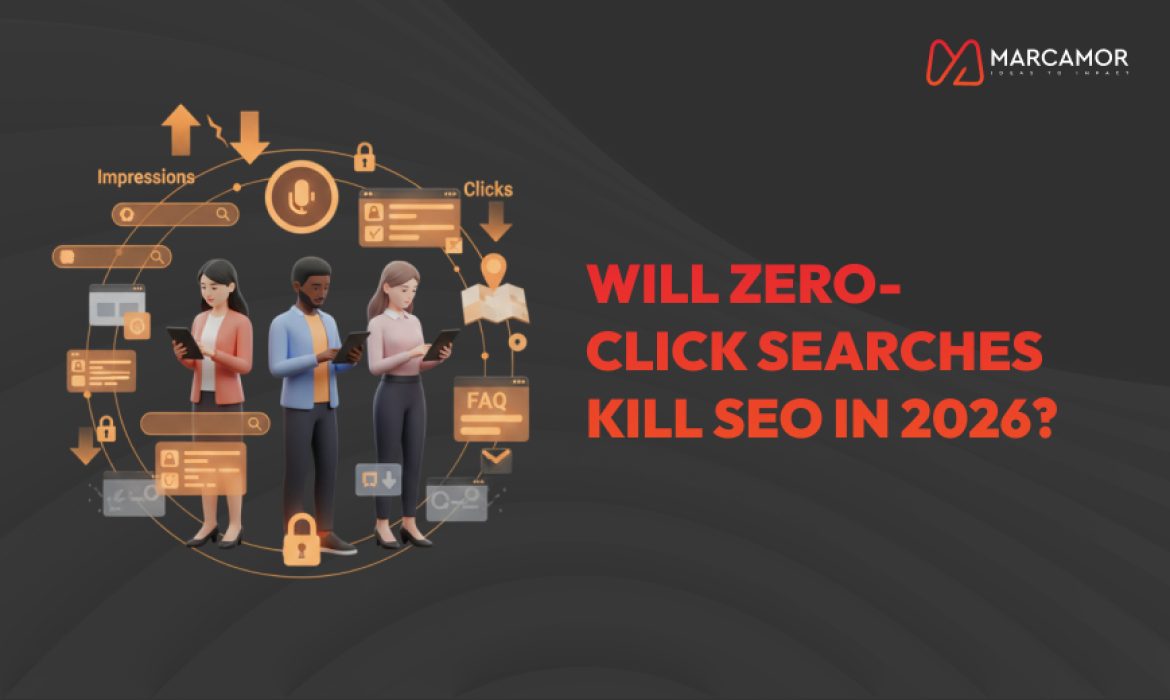
The rise of zero-click searches is changing the way people find information online. In 2026, more queries are being answered directly on search engine results pages without requiring users to click through to a website. This shift has sparked concerns among marketers and SEO professionals about the future of organic traffic and the relevance of traditional SEO strategies. Understanding zero-click searches and adapting to this trend is essential for staying visible and competitive in the coming years.While zero-click searches may reduce clicks, they do not necessarily kill SEO. Instead, they require marketers to rethink content strategies and focus on visibility, authority and structured data to maintain influence on search results.
What Are Zero-Click Searches?
Zero-click searches occur when Google or other search engines provide answers directly on the results page, eliminating the need for users to click through to a website. These can include featured snippets, knowledge panels, instant answers and maps. In 2026, the volume of zero-click searches is expected to rise, making it increasingly important for marketers to understand how these results affect visibility and user behavior. While they reduce traditional traffic, they can also increase brand awareness and authority when content is optimized for search features.
How Zero-Click Searches Impact SEO
Zero-click searches significantly alter traditional SEO metrics. Organic clicks may decline and traffic-driven KPIs might no longer accurately reflect a website’s reach or influence. Small websites and niche businesses can be especially affected, while larger brands with strong authority may still benefit from visibility even without clicks. In 2026, search engines will continue prioritizing relevance and engagement signals, meaning that being featured in zero-click results can still drive conversions indirectly through brand recognition, social sharing and direct searches.
Well-structured prompts help reduce revisions, improve relevance and maintain editorial standards. Instead of generating generic content, marketers can guide AI to create SEO-optimized articles, persuasive copy and personalized messaging that resonates with specific audiences. This ability to scale content without sacrificing quality is what turns prompts into a true revenue lever.
SEO Strategies to Survive Zero-Click Searches
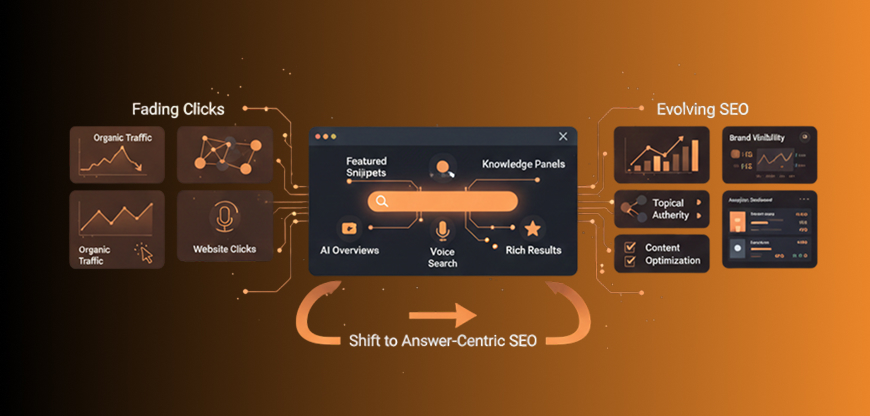
Adapting to zero-click searches requires a shift in SEO strategy. Optimizing content for featured snippets, knowledge panels and structured data helps maintain visibility even when users don’t click. Providing concise, high-value answers aligned with search intent increases the likelihood of appearing in zero-click results. Brands can also integrate alternative traffic strategies such as social media, email and direct engagement, to complement reduced organic clicks. By focusing on comprehensive, authoritative content, marketers can remain relevant in search results while leveraging zero-click features to enhance credibility.
In 2026, successful marketers connect AI-generated content directly to business outcomes. This includes using AI for lead-focused blog content, conversion-optimized landing pages and email campaigns that nurture prospects at scale. When combined with proper analytics and human oversight, generative AI becomes a reliable engine for long-term content ROI rather than a short-term productivity tool.
Conclusion
The future of SEO in 2026 will be defined by adaptation rather than elimination. Websites that embrace structured content, schema markup and authoritative answers will thrive despite declining click-throughs. SEO professionals must measure success using a broader set of metrics beyond clicks, such as impressions, engagement and brand impact. Forward-looking strategies involve integrating content with social, email and community platforms to maintain influence. Platforms like Marcamor are helping brands navigate this shift by combining data insights, zero-click optimization techniques and performance-focused SEO strategies to ensure long-term visibility and sustainable growth.
FAQs
Will zero-click searches completely kill SEO?
Zero-click searches will not kill SEO but will require marketers to adapt strategies to maintain visibility and influence on search engines.
How do zero-click searches affect small businesses?
Small businesses may see a decline in organic clicks, making it more important to optimize for visibility in search features and alternative traffic sources.
Can websites still rank in zero-click search results?
Yes, websites can appear in featured snippets, knowledge panels and other search features by optimizing content for structured data and answering queries concisely.
What metrics should SEO focus on in a zero-click world?
In addition to clicks, SEO should track impressions, engagement, brand awareness and conversions influenced by visibility in zero-click results.
How Are Micro-Influencers Changing Social Commerce in 2026?
How Are Micro-Influencers Changing Social Commerce in 2026?
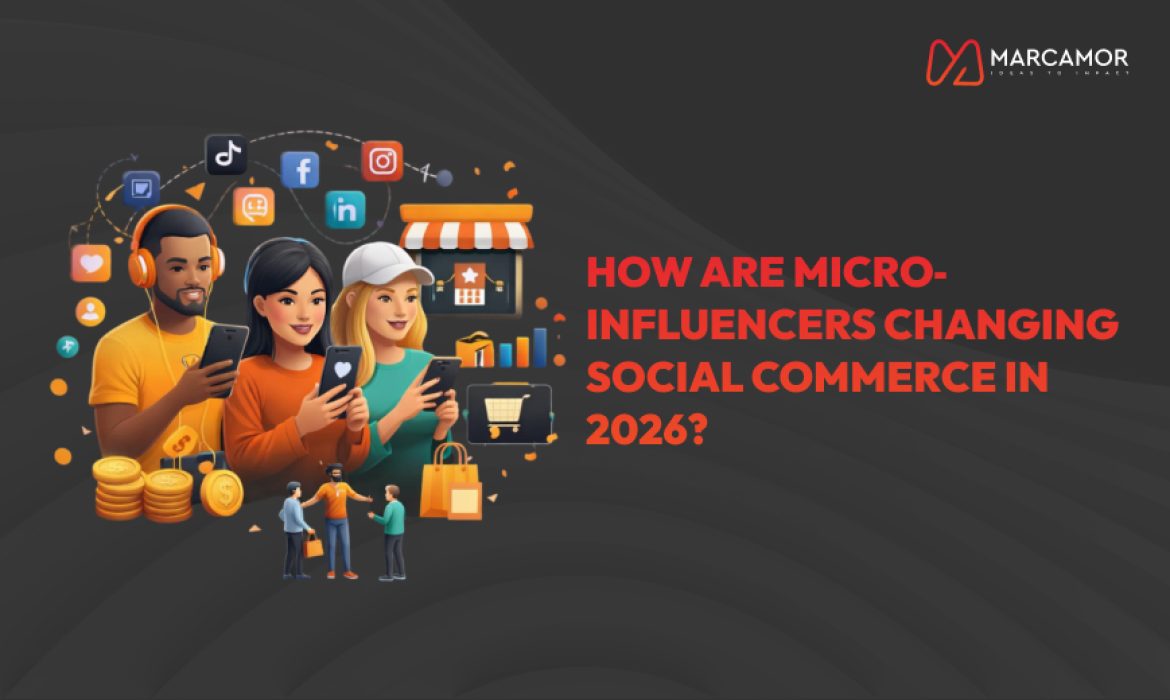
Social commerce is no longer an emerging trend, it is becoming one of the most powerful revenue channels for brands in 2026. As consumers increasingly shop directly on social platforms, the role of influence has shifted away from celebrities and mega creators toward smaller, more trusted voices. Micro-influencers are now shaping how products are discovered, evaluated and purchased, fundamentally changing the way social commerce works.
What Social Commerce Looks Like in 2026
Social commerce in 2026 is defined by seamless buying experiences built directly into Social Media platforms. Users no longer need to leave an app to research or purchase a product, as discovery, validation and checkout all happen in one place. This shift has made trust and authenticity more important than traditional advertising, since buying decisions are influenced in real time by content creators and communities.
As algorithms prioritize engagement and relevance, content that feels organic and relatable performs better than polished brand ads. This environment has created the perfect conditions for micro-influencers to thrive, as their content blends naturally into everyday social feeds while still driving strong purchase intent.
Why Micro-Influencers Are More Effective Than Macro Influencers
Micro-influencers are more effective in social commerce because their audiences are smaller, more focused and more engaged. Followers tend to view micro-influencers as peers rather than distant celebrities, which increases trust and credibility. When a micro-influencer recommends a product, it feels like a genuine suggestion rather than a paid promotion.
In 2026, brands are realizing that reach alone does not guarantee sales. Engagement quality, niche relevance and audience trust matter more than follower count. Micro-influencers consistently deliver higher interaction rates and more meaningful conversations, making them better suited for influencing purchase decisions within social commerce ecosystems.
How Micro-Influencers Drive Social Commerce Sales
Micro-influencers drive social commerce sales by influencing discovery and reducing purchase hesitation. Their content often shows real-world product usage, honest opinions and practical demonstrations that help consumers visualize how a product fits into their own lives. This type of content shortens the decision-making process and builds confidence at the point of sale.
In 2026, social platforms support direct product tagging, creator storefronts and live shopping features, all of which amplify the impact of micro-influencers. When combined with authenticity and community interaction, these tools allow micro-influencers to convert attention into measurable sales more effectively than traditional influencer campaigns.
The Future of Social Commerce With Micro-Influencers
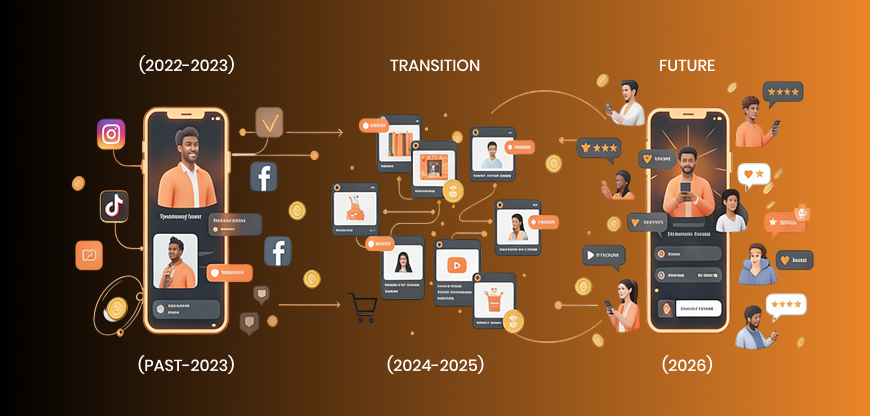
The future of social commerce is closely tied to long-term creator partnerships rather than one-off campaigns. Brands are increasingly working with micro-influencers as ongoing ambassadors who understand their products and audiences deeply. This approach creates consistency, trust and sustained sales growth over time. As social commerce continues to evolve in 2026, micro-influencers will play a central role in shaping buying behavior. Their ability to connect authentically with niche audiences makes them indispensable for brands looking to build loyalty and compete in a privacy-first, community-driven digital economy.
Conclusion
Micro-influencers are no longer an alternative strategy, they are becoming the foundation of successful social commerce in 2026. Their authenticity, engagement and ability to influence purchasing decisions make them a powerful driver of revenue in an increasingly competitive market. Brands that adapt to this shift gain stronger customer relationships and more sustainable growth.
Forward-thinking platforms like Marcamor are helping brands unlock the full potential of micro-influencer-led social commerce by aligning creators, data and performance-focused strategies. In 2026, the brands that win will be those that invest in trust, community and the voices consumers actually listen to.
FAQs
What qualifies as a micro-influencer?
A micro-influencer typically has a smaller but highly engaged audience, often within a specific niche. Their influence comes from trust and relevance rather than large follower numbers.
Are micro-influencers worth it for brands in 2026?
Micro-influencers are worth it in 2026 because they deliver higher engagement, stronger trust and better conversion rates compared to larger influencers, especially in social commerce.
How do micro-influencers increase social commerce sales?
They increase sales by creating authentic, relatable content that builds confidence and reduces friction in the buying process directly within social platforms.
Can small brands succeed using micro-influencers?
Small brands can succeed with micro-influencers because partnerships are more affordable and targeted, allowing them to reach the right audience without large marketing budgets.
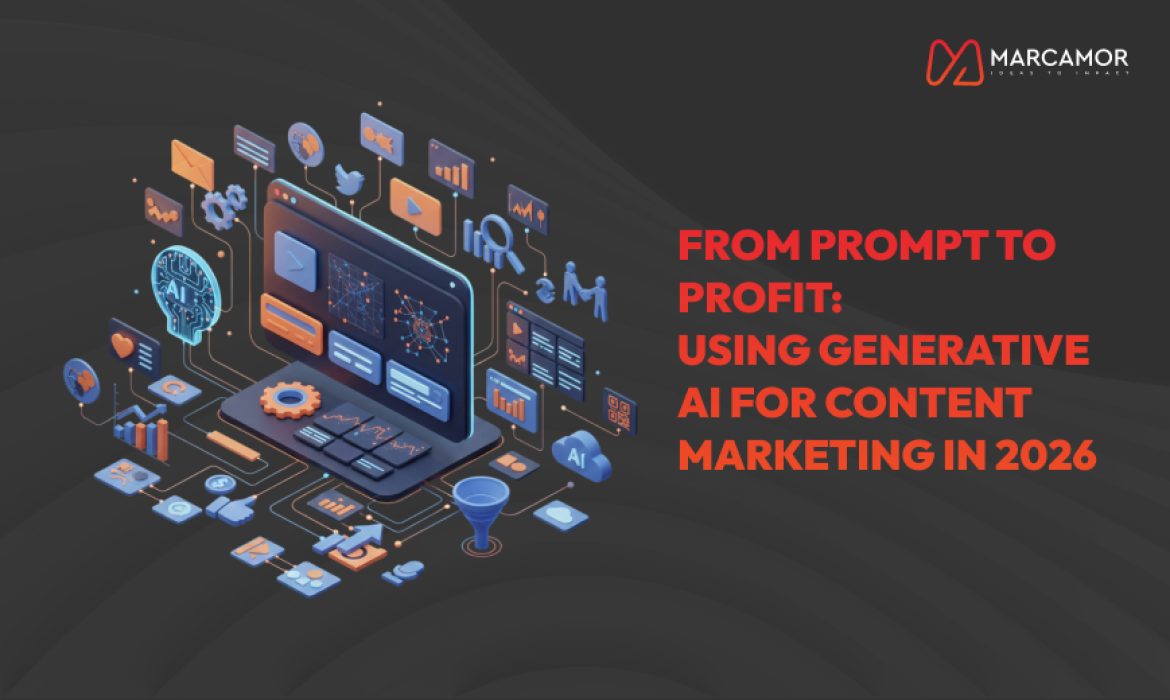
From Prompt to Profit: Using Generative AI for Content Marketing in 2026
from-prompt-to-profit-with-ai-for-content-marketing
Generative AI has moved far beyond experimentation and novelty. In 2026, it is becoming a core driver of content marketing growth, helping brands move faster, scale smarter and convert attention into measurable revenue. What once required large teams and long production cycles can now begin with a single well-crafted prompt. For marketers, the real opportunity is no longer just creating content with AI, but turning that content into profit while maintaining quality, trust and brand identity.
What Generative AI Means for Content Marketing in 2026
Generative AI in Content Marketing refers to the use of advanced AI models to create, enhance and optimize marketing content across formats such as blogs, emails, social media and landing pages. In 2026, this technology is more context-aware, brand-aligned and data-driven than ever before. Marketers are using it not just to write faster, but to ideate better and respond to audience needs in real time Generative AI now supports the entire content lifecycle, from research and outlining to optimization and distribution. This allows marketers to focus more on strategy, creativity and performance analysis while AI handles execution at scale.
Using AI Prompts to Create Scalable Marketing Content
AI prompts are the foundation of profitable AI-driven content marketing. A prompt acts as a strategic brief that tells the AI what to create, who the audience is and what outcome is expected. In 2026, marketers who master prompt design are able to produce consistent, high-quality content that aligns with brand tone and business goals.
Well-structured prompts help reduce revisions, improve relevance and maintain editorial standards. Instead of generating generic content, marketers can guide AI to create SEO-optimized articles, persuasive copy and personalized messaging that resonates with specific audiences. This ability to scale content without sacrificing quality is what turns prompts into a true revenue lever.
Turning Generative AI Content into Measurable Profit
Profit from generative AI content comes from efficiency, consistency and smarter distribution. By reducing production time and costs, marketers can publish more high-intent content and test multiple variations without increasing budgets. This leads to better search visibility, stronger engagement and higher conversion opportunities.
In 2026, successful marketers connect AI-generated content directly to business outcomes. This includes using AI for lead-focused blog content, conversion-optimized landing pages and email campaigns that nurture prospects at scale. When combined with proper analytics and human oversight, generative AI becomes a reliable engine for long-term content ROI rather than a short-term productivity tool.
Building a Future-Ready AI Content Marketing Strategy
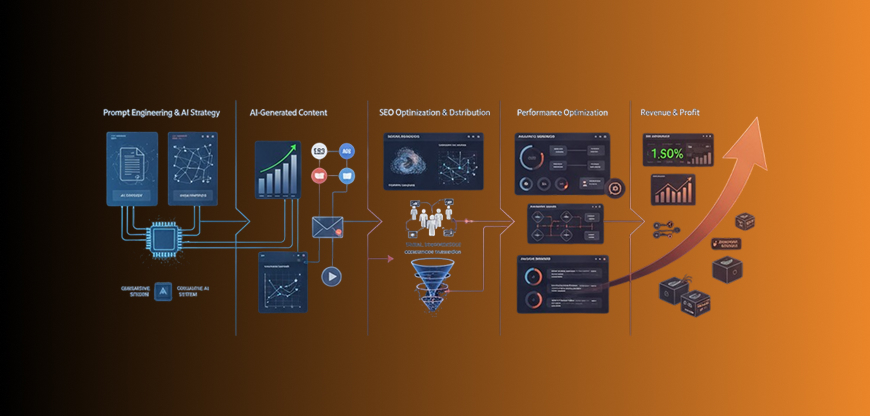
A future-ready AI content marketing strategy balances automation with human judgment. While generative AI can handle scale and speed, marketers remain responsible for strategy, ethics and brand integrity. In 2026, trust and authenticity matter more than ever, making it essential to review, refine and contextualize AI-generated content.
Marketers who succeed treat AI as a collaborative partner rather than a replacement. They invest in workflows, governance and training that allow teams to use AI responsibly and effectively. This approach ensures content remains valuable, compliant and aligned with evolving audience expectations.
Conclusion
The journey from prompt to profit is no longer theoretical. In 2026, generative AI is actively reshaping how content marketing is planned, executed and monetized. Brands that learn to use AI strategically gain a clear advantage in speed, scalability and performance, while those who hesitate risk being left behind.
Forward-thinking platforms like Marcamor are helping marketers unlock the real value of generative AI by combining data-driven insights with privacy-conscious and performance-focused marketing strategies. The future of content marketing belongs to those who can turn intelligent prompts into sustainable profit, starting now.
FAQs
What is generative AI in content marketing?
Generative AI in content marketing refers to using AI models to create and optimize marketing content such as blogs, emails, and ads. In 2026, it supports the entire content lifecycle, helping marketers scale output while maintaining relevance and quality.
Is AI content marketing profitable in 2026?
AI content marketing is profitable in 2026 when used strategically. It reduces production costs, speeds up publishing, and allows marketers to test and optimize content more efficiently, leading to higher ROI over time.
Does AI-generated content rank on Google?
AI-generated content can rank on Google if it is high quality, helpful and optimized for search intent. Human review, originality and value remain essential for strong rankings and long-term performance.
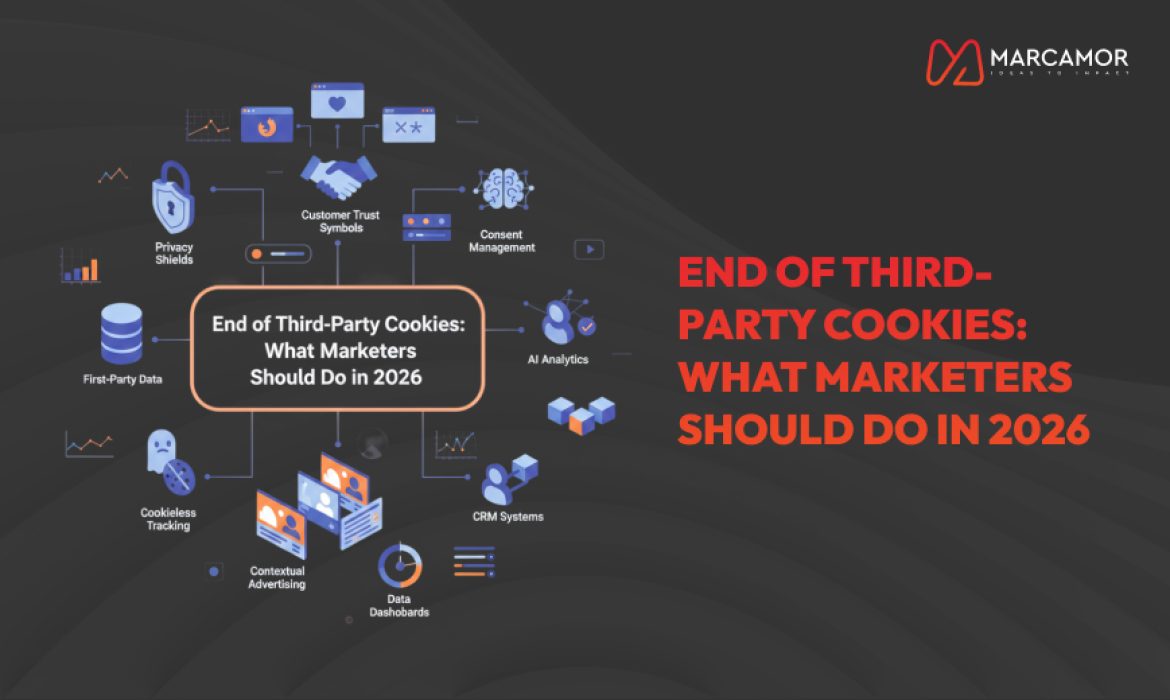
End of Third-Party Cookies: What Marketers Should Do in 2026
End of Third-Party Cookies: What Marketers Should Do in 2026
As 2026 approaches, marketers across industries are facing a major shift in how data is collected, audiences are targeted and performance is measured. This change is forcing brands to rethink Digital Marketing strategies that once depended heavily on third-party tracking. Those who adapt early will gain a clear advantage, while those who delay risk losing visibility, personalization and revenue in a cookieless world.
What Happens When Third-Party Cookies Are Removed
When third-party cookies are removed, marketers lose the ability to track users across multiple websites. This directly impacts ad targeting, retargeting campaigns and cross-channel attribution models. Many of the familiar audience insights marketers relied on become less accurate or disappear entirely, making it harder to understand user behavior at scale.
The removal also changes how personalization works. Without third-party data, brands can no longer depend on external signals to customize messaging. This forces marketers to shift their focus inward, relying more on direct relationships with users and transparent data collection methods. While this may feel limiting at first, it ultimately creates a more sustainable and privacy-friendly marketing ecosystem.
How the Cookie less Future Will Affect Marketers in 2026
The cookieless future affects nearly every digital marketing channel. Paid advertising becomes less dependent on behavioral tracking and more focused on contextual relevance and first-party audiences. Analytics and attribution models evolve, using aggregated and modeled data rather than individual user tracking.
Marketers in 2026 will need to place greater emphasis on trust, consent and value exchange. Consumers are more aware of how their data is used and brands that respect privacy are more likely to build long-term loyalty. The cookie less shift also pushes marketers to improve content quality, SEO and owned media channels, which are less affected by cookie deprecation.
How to Market Without Third-Party Cookies
Marketing without third-party cookies requires a mindset shift rather than a complete rebuild. First-party data becomes the foundation of digital strategy, collected through websites, email subscriptions, gated content and direct interactions. This data is more accurate, compliant and valuable because it comes directly from engaged users.
Contextual advertising also plays a larger role, allowing brands to reach relevant audiences based on content rather than behavior. At the same time, zero-party data, such as preferences shared through surveys or quizzes, helps marketers deliver personalization without violating privacy expectations. Together, these approaches allow brands to remain effective even without third-party tracking.
Cookie less Marketing Strategies That Work in 2026

Successful cookieless marketing strategies in 2026 focus on transparency, relevance and long-term relationships. Privacy-first marketing is no longer optional, as regulations and consumer expectations continue to evolve. Marketers who invest in consent-based data collection and clear communication see stronger engagement and higher trust.
Analytics also adapts to this new reality. First-party analytics tools and modeled attribution help marketers measure performance while respecting privacy. Over time, brands that prioritize ethical data use and customer experience are better positioned to grow sustainably in a world without third-party cookies.
Conclusion
It is an opportunity to build stronger, more transparent relationships with customers while creating marketing systems that are future-proof and privacy-compliant. Marketers who act now by adopting first-party data strategies, contextual advertising and privacy-first analytics will be far better prepared for what lies ahead. Platforms and agencies like Marcamor are already helping brands navigate this transition by focusing on data-driven yet privacy-conscious marketing approaches. The marketers who succeed in 2026 will not be those chasing old tracking methods, but those embracing trust, innovation and smarter data practices.
FAQs
Are third-party cookies still used in 2026?
Third-party cookies have very limited use in 2026, as most major browsers restrict or block them. While some legacy systems may still reference them, relying on third-party cookies is no longer a viable long-term strategy for marketers.
What replaces third-party cookies in marketing?
First-party data, zero-party data and contextual advertising replace third-party cookies. These alternatives allow marketers to reach relevant audiences while respecting user privacy and complying with regulations.
Is cookieless marketing effective for small businesses?
Cookieless marketing can be highly effective for small businesses because it emphasizes direct customer relationships, content quality, and owned channels. These approaches often deliver better ROI than expensive third-party data solutions.
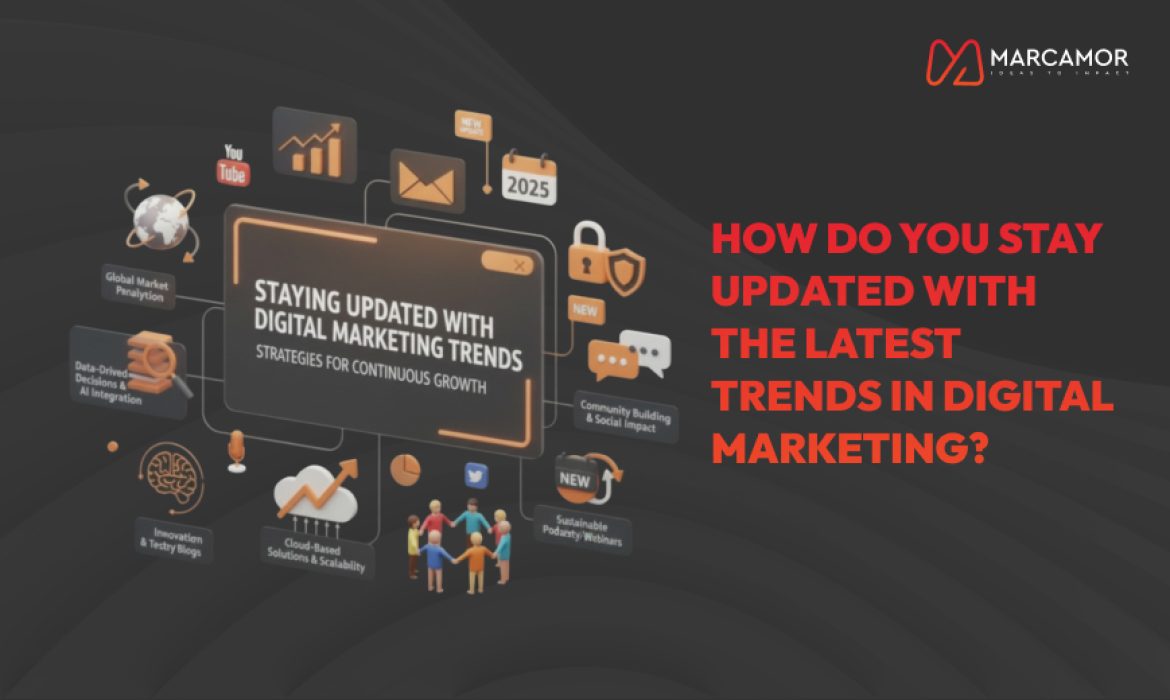
How Do You Stay Updated with Latest Trends in Digital Marketing?
How Do Businesses Achieve Success Through Digital Marketing?
Digital marketing is constantly evolving and staying updated with the latest trends is essential for businesses and marketers who want to maintain a competitive edge. From social media strategies to SEO techniques and content marketing innovations, the landscape shifts rapidly, making it crucial to follow emerging practices and tools. Keeping pace with these changes not only helps businesses improve engagement and ROI but also allows marketers to anticipate audience behavior and industry shifts. By adopting a proactive approach to learning and trend tracking, professionals can ensure that their strategies remain effective, relevant and aligned with the latest developments in Digital Marketing throughout 2025 and beyond.
Why Staying Updated is Crucial
Understanding and following the latest trends in digital marketing enables businesses to respond quickly to market demands, optimize campaigns and enhance their brand presence. Those who stay informed can take advantage of new platforms, features and tools to reach audiences more effectively, while avoiding outdated methods that may no longer drive results. Whether it’s adopting emerging social media formats, leveraging AI-powered tools or refining SEO practices, staying updated ensures that businesses maximize the effectiveness of their marketing investments. Proactive trend monitoring empowers businesses to maintain relevance, attract customers and achieve measurable growth in an increasingly competitive online environment.
Top Resources to Follow Digital Marketing Trends
To remain informed, marketers and business owners should rely on a combination of reputable blogs, newsletters, online communities, webinars and specialized courses. Blogs and newsletters provide curated updates on industry shifts, case studies and actionable tips, while professional communities and forums allow for networking and knowledge sharing. Tools for tracking digital marketing trends, including analytics platforms and AI-driven monitoring software, offer insights into evolving audience behavior and competitive strategies. By combining these resources, businesses can develop a comprehensive understanding of emerging trends and incorporate them into their marketing strategies efficiently and effectively.
Practical Tips to Stay Ahead
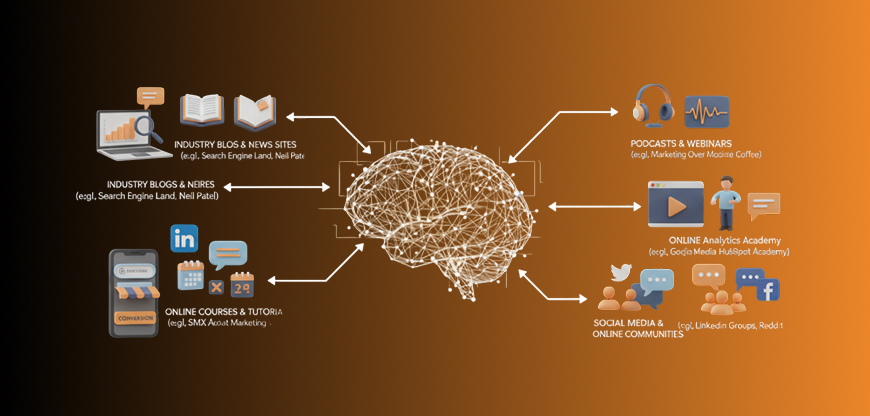
Staying ahead in digital marketing requires intentional efforts such as dedicating time to continuous learning, subscribing to trusted newsletters, engaging with thought leaders and experimenting with new platforms and tools. Monitoring competitor activity, analyzing performance data and testing innovative content approaches allow marketers to refine strategies and implement best practices. Additionally, investing in courses and workshops can provide structured guidance on emerging techniques and technologies. By integrating these practical habits into their routine, businesses and marketers can remain agile, adapt quickly to new trends and maintain a strategic advantage over competitors in the fast-paced digital landscape.
Conclusion
Staying updated with digital marketing trends is no longer optional for businesses aiming for long-term success. Proactively tracking trends, leveraging credible resources and implementing innovative strategies ensures sustained growth, enhanced engagement and measurable ROI. Partnering with expert agencies like Marcamor can help businesses adopt these best practices effectively, stay ahead of competitors and achieve tangible results in the dynamic world of digital marketing.
FAQs
How can I stay updated with digital marketing trends?
Follow blogs, newsletters, webinars and industry communities regularly.
What are the best newsletters or blogs for digital marketing updates?
Reputable sources like HubSpot, Neil Patel and Social Media Examiner provide timely updates.
Which tools help track digital marketing trends?
Analytics platforms, AI-driven monitoring tools and social listening software help track trends effectively.
How do small businesses keep up with new marketing strategies?
By leveraging affordable online resources, newsletters and expert guidance to implement relevant trends.
How Do Businesses Achieve Success Through Digital Marketing?
How Do Businesses Achieve Success Through Digital Marketing?
In today’s competitive landscape, Digital Marketing has become essential for businesses seeking growth, engagement and measurable results. Traditional marketing methods alone are no longer enough to reach a tech-savvy audience that spends most of its time online. From small startups to established enterprises, digital channels like social media, SEO, content marketing, email campaigns and paid advertising provide businesses with the tools to connect with their target audience, drive traffic, generate leads and boost revenue. Companies that adopt effective digital marketing strategies gain a significant advantage, as they can track performance, optimize campaigns and achieve tangible results in real time, making digital marketing a key driver of business success in 2025.
Why Digital Marketing is Essential for Business Growth
Digital marketing empowers businesses to reach highly targeted audiences efficiently while maintaining cost-effectiveness. Unlike traditional channels, digital marketing allows for precise tracking of engagement, conversions and ROI, enabling companies to adjust strategies as needed. Small businesses benefit greatly from leveraging social media and local SEO to increase visibility within their communities, while startups can gain traction through carefully planned online campaigns. By utilizing digital marketing effectively, businesses not only enhance brand awareness but also build trust and authority with potential customers, making it an indispensable component of modern business growth.
Key Strategies for Achieving Success
To maximize the impact of digital marketing, businesses need a comprehensive approach that combines multiple channels. SEO ensures that content is discoverable and ranks high on search engines, while content marketing provides valuable information that resonates with the audience. Social media strategies help build communities and drive engagement, and email marketing nurtures leads and encourages repeat business. Paid campaigns, including PPC and display advertising, amplify reach and generate immediate results. Integrating these strategies allows businesses to create a holistic digital marketing ecosystem that attracts, engages and converts customers consistently, ensuring measurable growth and sustainable success.
Building an Effective Online Marketing Plan
A successful online marketing plan starts with clearly defined goals, audience research and an understanding of the most suitable channels for your business. Planning involves creating a content calendar, scheduling campaigns and ensuring that messaging aligns with brand values and customer needs. Monitoring analytics and adjusting strategies based on performance helps maintain efficiency and improves results over time. Startups and small businesses benefit from tailored strategies that focus on cost-effective approaches such as leveraging social media, optimizing Local SEO and implementing high-impact content marketing to reach their audience and achieve growth without overspending.
Measuring Success and Overcoming Challenges
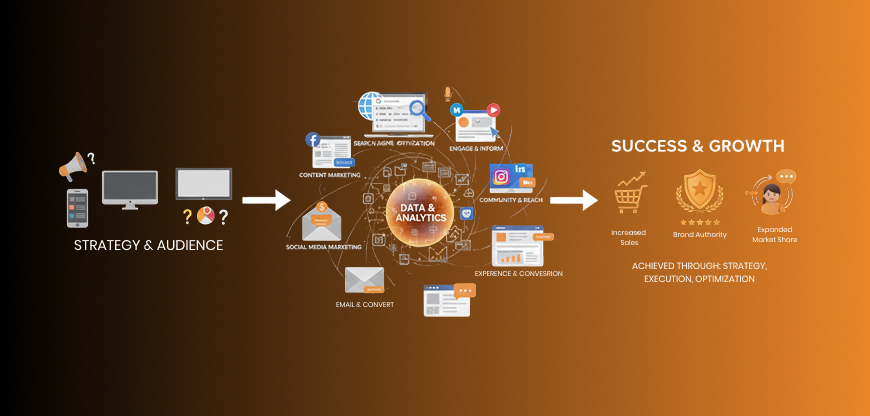
Measuring success in digital marketing involves tracking key metrics like website traffic, conversion rates, engagement levels and ROI. Tools like Google Analytics, social media insights and email campaign reports provide actionable data to optimize campaigns. Businesses often face challenges such as low engagement, budget constraints and content creation hurdles, but adopting best practices, continuous learning and leveraging expert guidance can overcome these obstacles. By analyzing performance and refining strategies, companies can ensure that digital marketing efforts translate into real business results and long-term growth.
Conclusion
Digital marketing is no longer optional, it is a fundamental component for business success in today’s online-driven world. By implementing well-planned strategies, monitoring performance and continuously optimizing campaigns, businesses of all sizes can achieve growth, build authority and enhance brand visibility. Partnering with experts like Marcamor ensures that businesses can leverage cutting-edge digital marketing techniques to achieve measurable outcomes, maximize ROI and stay ahead of the competition in 2025.
FAQs
How can small businesses succeed with digital marketing?
By focusing on targeted strategies like social media, SEO and email campaigns to reach the right audience.
What is the best digital marketing strategy for startups?
A mix of content marketing, social media engagement and paid advertising tailored to the startup’s goals.
How to measure ROI in digital marketing campaigns?
Track metrics like traffic, conversions, engagement and sales to evaluate performance.
Why do businesses need digital marketing in 2025?
Digital marketing ensures visibility, engagement and measurable growth in a competitive online landscape.
From SEO to GEO – How Generative AI is Changing the Way of Online Visibility
From SEO to GEO – How Generative AI is Changing the Way of Online Visibility
The digital marketing landscape is evolving rapidly and the rise of generative AI is redefining how brands achieve online visibility. Traditional SEO strategies, once focused on keywords and backlinks, are now being augmented and sometimes replaced by GEO or Generative Engine Optimization. GEO leverages AI-powered search engines to deliver answers, recommendations and content in a more conversational and intent-driven format. As search engines become smarter, businesses must adapt to this shift or risk losing visibility. Optimizing content for AI-driven platforms ensures that brands remain discoverable, relevant and authoritative in an increasingly competitive online ecosystem.
Understanding the Shift: SEO vs GEO
The transition from SEO to GEO represents a fundamental change in online marketing. While SEO still plays a role in traditional search rankings, GEO focuses on generating content that aligns with AI understanding, contextual relevance and user intent. Generative AI analyzes queries differently than standard algorithms, prioritizing answer quality, semantic depth and engagement potential. This means that businesses must rethink content strategies to include conversational tone, structured data and multimedia integration. Understanding this evolution allows brands to stay ahead of competitors and capitalize on emerging search trends while providing value to their audience in a more personalized way.
Benefits of GEO for Businesses
Adopting GEO strategies provides numerous advantages for businesses seeking to maintain or increase online visibility. Optimizing for generative AI search allows companies to reach highly targeted audiences, deliver more relevant content and increase engagement with minimal traditional advertising. Small businesses and startups in particular benefit from the lower barrier to entry as AI platforms prioritize quality and relevance over legacy domain authority. Additionally, GEO-focused strategies help brands future-proof their digital marketing, ensuring sustained visibility as AI-driven search becomes more prevalent. By embracing these new methods, businesses can enhance their credibility, build thought leadership and convert audiences into loyal customers more effectively.
How to Implement Generative AI Strategies
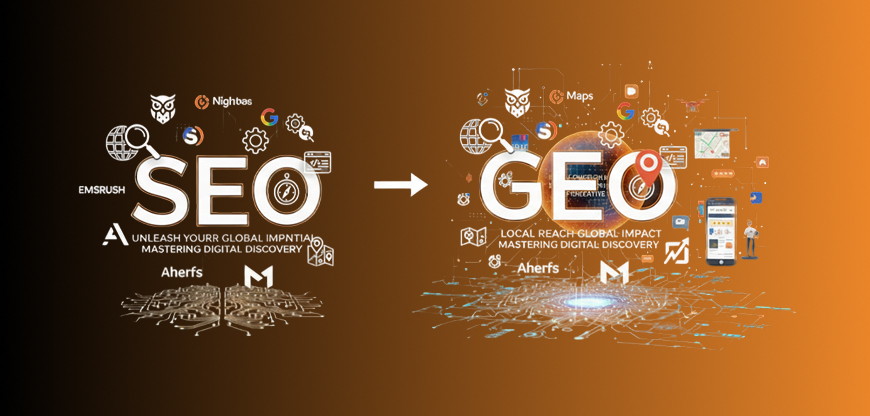
Implementing GEO strategies requires a thoughtful approach that combines creativity with technical understanding. Businesses should focus on generating content that addresses user intent clearly, incorporates semantic relevance and utilizes structured data where applicable. Analyzing AI search patterns and understanding how queries are interpreted allows brands to craft content that ranks effectively in AI-powered results. Tools and analytics designed for AI-driven search can help monitor performance, optimize visibility and refine content strategies. By adopting these techniques, brands can transition smoothly from traditional SEO to GEO, ensuring their online presence remains strong and competitive in 2025 and beyond.
Conclusion
The future of digital marketing is closely tied to AI-driven content and search. With generative AI, voice search and personalized recommendations becoming more integrated, the way users discover information is changing dramatically. Businesses that adapt early to GEO strategies will gain a significant advantage in visibility, engagement and customer acquisition. Emerging technologies allow for more interactive, responsive and tailored content experiences that align with modern consumer expectations. Those who invest in understanding and leveraging GEO now will find themselves at the forefront of the next evolution of online marketing. Marcamor specializes in helping brands implement these advanced strategies to maximize impact and achieve measurable results in the AI-driven search era.
FAQs
What is GEO in digital marketing?
GEO or Generative Engine Optimization is optimizing content for AI-driven search engines.
How does generative AI affect traditional SEO?
Generative AI prioritizes content relevance and intent over traditional keyword-based SEO.
Can small businesses benefit from GEO optimization?
Yes, GEO allows small businesses to achieve visibility without relying on large domain authority.
How do I start optimizing content for AI-driven search engines?
Begin by focusing on user intent, semantic content and structured data for AI search.
Podcast & Audio Marketing: The Next Big Content Play in 2025
Podcast & Audio Marketing: The Next Big Content Play in 2025
In 2025, businesses are discovering a revolutionary shift in Content Marketing and podcast & audio marketing is leading the charge. As digital landscapes evolve, audiences are increasingly seeking on-demand convenient content that fits their lifestyle. Podcasts allow brands to engage listeners in a personal and immersive way, offering a unique opportunity to connect with potential customers beyond traditional advertising channels. With growing listenership across mobile devices and smart speakers audio marketing is becoming an essential tool for any forward-thinking brand looking to stay relevant and build authority in their niche.
Why Podcast Marketing is Becoming Essential in 2025
The rise of podcasts and audio content is not just a trend, it represents a fundamental change in how audiences consume information. Listeners are more likely to engage with content that feels personal and authentic, making podcasts a powerful tool for brand storytelling. Audio marketing offers unparalleled intimacy, allowing businesses to create a voice that resonates with their target audience. Moreover, brands that adopt podcast strategies early gain the advantage of establishing thought leadership and creating loyal communities, positioning themselves ahead of competitors in an increasingly crowded digital landscape.
Strategies to Make Audio Marketing Work for Your Brand
Launching an effective podcast or audio campaign requires strategic planning and execution. From production quality to consistent posting schedules, every element influences listener retention and engagement. Cross-promoting episodes on social media and integrating calls-to-action within content can significantly increase reach and conversions. Additionally, leveraging analytics allows brands to understand listener behavior, optimize content and make data-driven decisions that enhance overall podcast performance.
Benefits and Business Impact of Podcasts
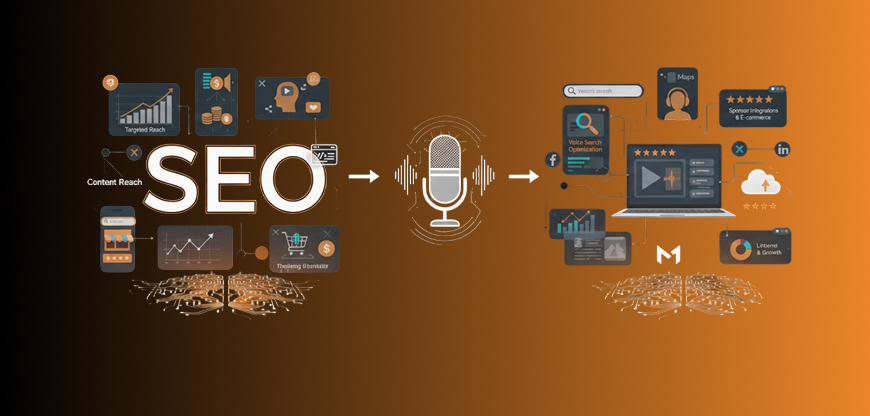
Audio marketing offers multiple benefits that traditional content channels cannot replicate. Podcasts provide a platform for deeper engagement, enabling brands to communicate their values, expertise and stories in ways that create meaningful connections. Small businesses can use podcasts to reach highly targeted audiences, while larger enterprises can strengthen brand awareness and loyalty. Beyond branding, audio marketing can drive measurable business outcomes, including lead generation, conversions and higher ROI from advertising partnerships. As a content channel, podcasts remain cost-effective while delivering an impressive level of personalization that resonates with modern consumers.
The Future of Podcast & Audio Marketing
Looking ahead, the podcast landscape in 2025 is set to grow more sophisticated and interactive. Advancements in AI-driven personalization, smart speakers and voice-enabled devices are shaping how audiences discover and engage with content. Interactive podcasts and tailored audio ads offer new avenues for monetization and audience engagement. Businesses that integrate these trends early can benefit from higher engagement, better brand recall and a stronger foothold in their industry. Audio marketing is no longer optional, it is a core strategy for brands aiming to thrive in the evolving digital ecosystem.
Conclusion
Podcast and audio marketing are no longer experimental channels, they are indispensable tools for building brand visibility, engagement and loyalty in 2025. Businesses that leverage podcasts effectively can create authentic connections, generate measurable results and establish thought leadership in their domain. Marcamor’s expertise in digital marketing ensures that brands can successfully implement audio strategies that deliver impact and measurable outcomes, making it easier to dominate the evolving content landscape.
FAQs
What is podcast marketing and how does it work?
Podcast marketing uses audio content to engage listeners and promote a brand.
How much does it cost to start a business podcast?
Starting a business podcast can be affordable, often under $200 for basic equipment.
Can small businesses benefit from audio marketing?
Yes, audio marketing allows small businesses to reach targeted audiences effectively.
What are the best tools for podcast content marketing in 2025?
Popular tools include Anchor, Buzzsprout and Podbean for production and distribution.
Engagement-Focused Social Media Techniques for Better Brand Visibility
Engagement-Focused Social Media Techniques for Better Brand Visibility
In today’s fast-paced digital world brand visibility is shaped by much more than just frequent posting. The brands that rise above the digital noise are the ones prioritizing meaningful engagement rather than filling social feeds with random content. A strong Social Media strategy focuses on engagement allowing the brand to be discovered organically, building deeper audience relationships, and creating memorable experiences that stay with users long after they scroll away. When engagement becomes the core approach, visibility naturally and sustainably follows.
Why Engagement Matters
Engagement directly influences how social media algorithms determine which posts deserve more reach. When users start interacting by liking, commenting, sharing, or saving a post, algorithms boost that content, increasing its visibility. This especially benefits smaller and emerging brands, as engaging posts can outperform competitors with larger followings. Engagement-driven content makes a brand appear more human, relatable, and trustworthy, creating long-term memory and loyalty among audiences.
Low-Competition Social Media Engagement Strategies That Work
Simple engagement methods such as asking questions, encouraging discussions, or sharing relatable experiences help spark conversations and make audiences feel included. Highly engaging ideas like storytelling posts, behind-the-scenes moments, customer narratives, and real-life snapshots allow brands to build emotional connections while staying relevant to user search intent. These techniques help brands grow communities rather than just chase numbers.
Organic and Easy Ways to Improve Brand Visibility
Organic reach grows when brands create meaningful content and post consistently. Using a content calendar helps maintain timely postings aligned with audience behavior and platform trends. This consistently makes a brand more discoverable through long-tail keywords and low-competition hashtags, expanding reach without paid promotion. These small but steady efforts significantly strengthen brand presence, recognition, and engagement.
Platform-Specific Engagement Techniques
Each platform offers unique ways to boost engagement.
- Instagram Reels, Stories, and interactive stickers encourage quick responses and generate fresh brand content.
- Facebook’s live sessions and community-driven conversations deepen audience connection and improve visibility.
- LinkedIn allows professional brands to build thought leadership through value-rich insights and real experiences, naturally attracting meaningful engagement.
Interactive Elements to Increase User Engagement
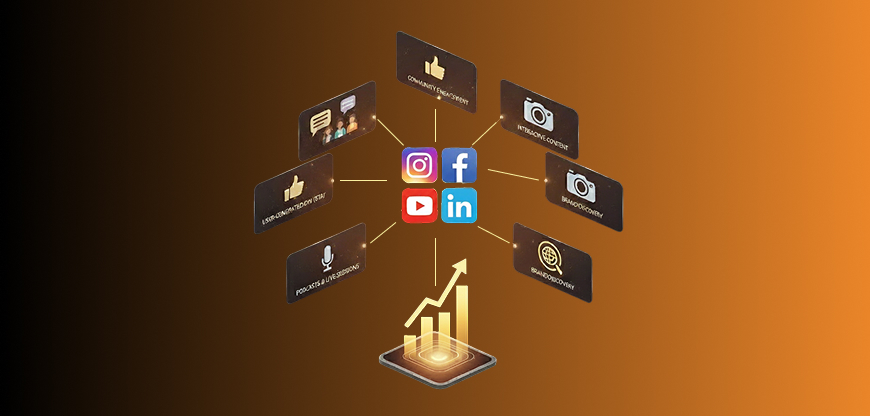
Interactive content keeps audiences engaged for longer. Polls, quizzes, and question stickers invite instant participation, carousel posts help brands tell visual stories and challenges or comment starters motivate users to pause and respond. These elements build momentum around posts, enhance performance, and boost visibility across platforms.
How Small Brands Grow Faster with Engagement-First Strategies
Smaller brands can grow more quickly by focusing on engagement rather than follower count. Engagement-first strategies build trust by showing that the brand values communication and audience participation. These interactions create a loyal community that naturally shares the brand with others, boosting visibility without paid ads. This makes engagement-driven growth one of the most effective and cost-efficient approaches for rising brands.
Conclusion
Social media engagement bridges the gap between visibility and connection, transforming simple posts into memorable experiences. When brands prioritize interaction, authenticity, and storytelling, visibility grows naturally and consistently. Marcamor helps businesses develop smart engagement strategies supported by industry insights, enabling brands to grow faster and stronger in the digital space.
FAQs
How does engagement improve brand visibility?
Engagement signals value to social media algorithms, increasing reach and helping a brand appear in more user feeds.
What types of posts generate the most engagement?
Storytelling posts, emotional content, behind-the-scenes insights, and interactive elements such as polls or questions perform best.
Can small brands gain visibility without ads?
Yes. Through meaningful engagement, consistent posting, long-tail keywords, and interactive content, small brands can grow organically.
Why do engagement-based methods work better than traditional posting?
Engagement-focused methods build relationships rather than passive views, making audiences more likely to remember, interact with, and share the brand’s content organically.
How a Creative Approach to Branding Can Elevate Your Business in 2025
How a Creative Approach to Branding Can Elevate Your Business in 2025
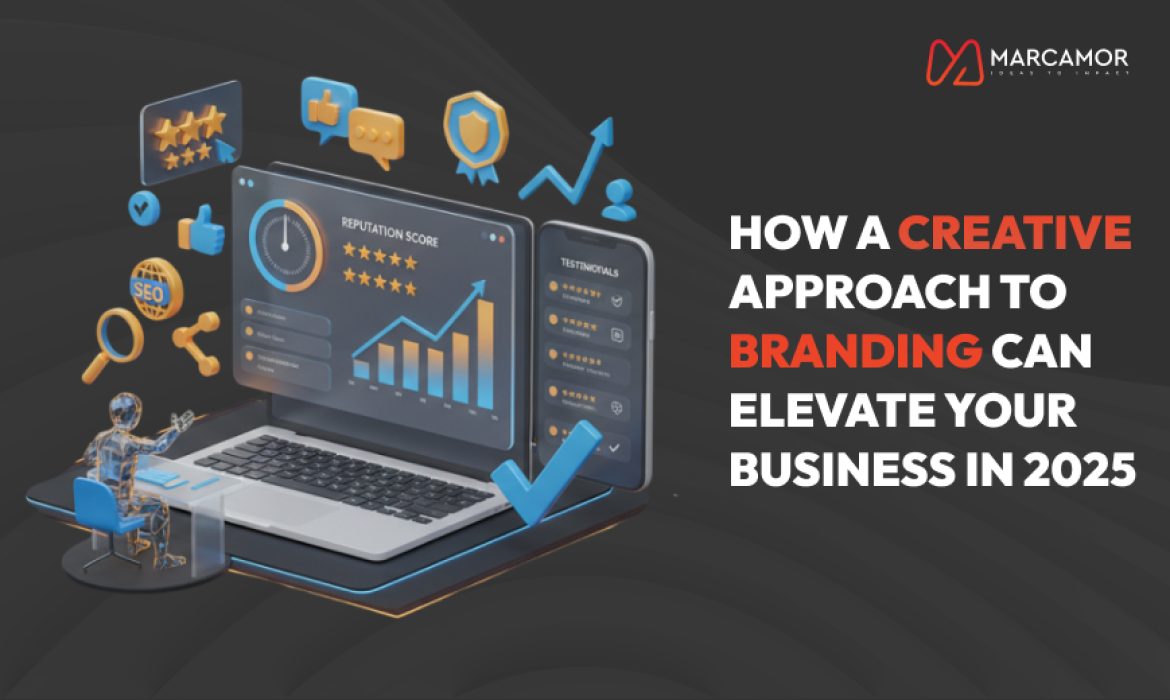
Branding in 2025 goes far beyond logos, color palettes, or taglines. It is deeply rooted in creativity, shaping the true identity of a business. As competition grows and consumers become more aware, the brands that stand out are the ones that “think differently.” Creativity helps them communicate with emotion, connect faster, and remain memorable in crowded digital spaces. This shift has created space for creative, experience-rich, and uniquely memorable brand identities.
Understanding Creative Branding in 2025
In 2025, creative branding is all about impactful storytelling, a strong digital presence, and visually striking identities that reflect a brand’s real personality.
Branding is no longer just design, it has become a complete experience for customers. Modern branding introduces fresh visual concepts, inventive messaging, and immersive customer interactions. With digital-first platforms rising, audiences now look for instant impact and emotional resonance within just a few seconds, pushing brands to be more creative than ever.
Why Creative Branding Helps Businesses Grow Faster
Brands that embrace creativity grow faster because creativity builds trust, authenticity, and emotional connection. Consumers today connect more deeply with brands that tell powerful stories and showcase genuine personality. While every strong brand naturally attracts attention, creative branding becomes the key differentiator in highly competitive markets. It shapes how audiences perceive value, encourages loyalty, and inspires people to share the brand across digital channels. When a brand looks original and communicates clearly, it becomes more memorable and every interaction becomes more meaningful.
Low-Budget Creative Branding Ideas for Small Businesses
Many small businesses assume branding requires huge budgets when, in reality,creativity has more power than cost. By 2025 simple ideas, unique storytelling styles, personalized audience interactions, visually appealing content, and authentic messaging can create strong branding. Creativity replaces expensive campaigns with smarter, more impactful execution. This is especially valuable for new or growing businesses that need quick visibility without heavy investment.
Unique Branding Ideas to Make Your Business Stand Out
To stand out, a business must find a creative angle that no one else is using. Whether it’s a signature visual style, a compelling founder story, or emotionally driven content, originality is what sets brands apart today. This unique identity becomes a signature your audience remembers every time they think of your brand. In 2025, consumers gravitate toward bold, fresh ideas making creativity the most powerful differentiator.
How Creative Digital Branding Elevates Online Presence in 2025
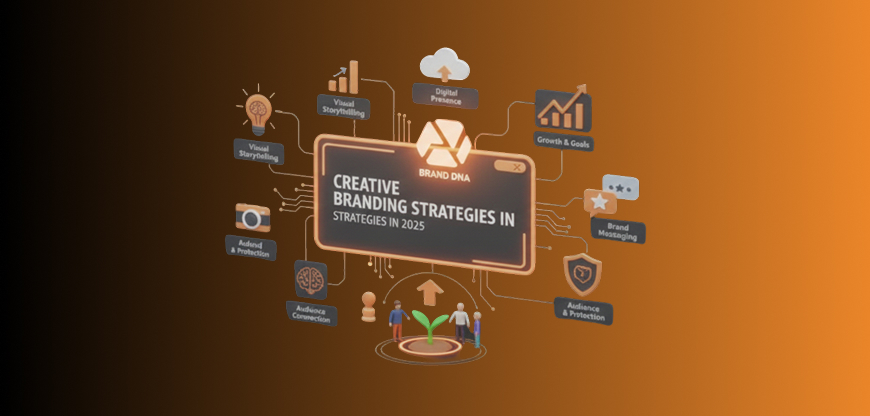
Digital branding in 2025 thrives on reels, short videos, interactive formats, and immersive storytelling. Creative Digital Marketing branding helps businesses stay relevant, hold attention longer, and encourage audiences to return for more. When strong visuals, compelling narratives, and consistent communication work together, a brand’s online presence becomes stronger and more discoverable. This not only boosts visibility but also improves conversions, trust, and customer experience across all digital platforms.
Creative Tips to Increase Brand Recall with Visual Identity
One of the quickest paths to brand recall is a strong visual identity. Modern color palettes, culturally aligned design elements, and distinctive styles help a brand stand out instantly. Visual consistency develops recognition, while creative execution sparks curiosity. Together, they ensure customers remember the brand long after the interaction, making visual identity a foundational element of branding success in 2025.
Simple Creative Branding for Startups or Local Businesses
Creativity is especially valuable for startups and local businesses because it allows them to express authenticity and value even with limited resources. With unique content styles, localized storytelling, creative packaging, or modern design elements, smaller brands can easily rise above the ordinary. Creativity turns a basic brand into one that feels polished, professional, and emotionally appealing, boosting visibility and accelerating growth.
Conclusion
Creative branding in 2025 is one of the biggest opportunities for businesses to grow, differentiate, and earn customer loyalty. It gives brands a powerful voice, strengthens emotional connections, and significantly improves visibility across digital platforms. If your business needs a professional, creative approach that delivers real results, Marcamor offers branding solutions built on clarity, originality, and meaningful impact.
FAQs
Why is creative branding important for business growth in 2025?
Creative branding helps businesses stand out, capture attention, and build strong customer relationships that drive long-term growth.
Does creative branding benefit small businesses as well?
Yes. Creative branding helps small businesses grow even on limited budgets through originality, storytelling, and strong digital presence.
How does digital creativity improve brand visibility?
Digital creativity boosts visibility by engaging audiences through rich visuals, interactive content, and compelling storytelling.
What makes a brand memorable in 2025?
Unique visuals, authentic messages, consistent storytelling, and creative engagement strategies make a brand memorable.


About
“Marcamor” The Word “Marca” means the Brand and the meaning of “Amor” is Love.
Services
Quick Links
Connect with us
© 2025 — Marcamor. All Rights Reserved.


Explore Our Offices




“Marcamor” The Word “Marca” means the Brand and the meaning of “Amor” is Love. Our innovative online marketing solutions are designed to elevate your business both digitally and beyond.
Services
Quick Links
Contact us
- +91 99852 02223
- info@marcamor.com
- Ground Floor, Sai Sadan, Survey Of India Ayyappa Society, Survey of India Colony, Chanda Naik Nagar, Madhapur, Hyderabad, Telangana 500081, India.
© 2026 — Marcamor. All Rights Reserved.
WhatsApp us
Web Developer
Lorem Ipsum is simply dummy text of the printing and typesetting industry. Lorem Ipsum has been the industry's standard dummy text ever since the 1500s, when an unknown printer took a galley of type and scrambled it to make a type specimen book. It has survived not only five centuries, but also the leap into electronic typesetting, remaining essentially unchanged. It was popularised in the 1960s with the release of Letraset sheets containing Lorem Ipsum passages, and more recently with desktop publishing software like Aldus PageMaker including versions of Lorem Ipsum.