

Articles by Marcamor
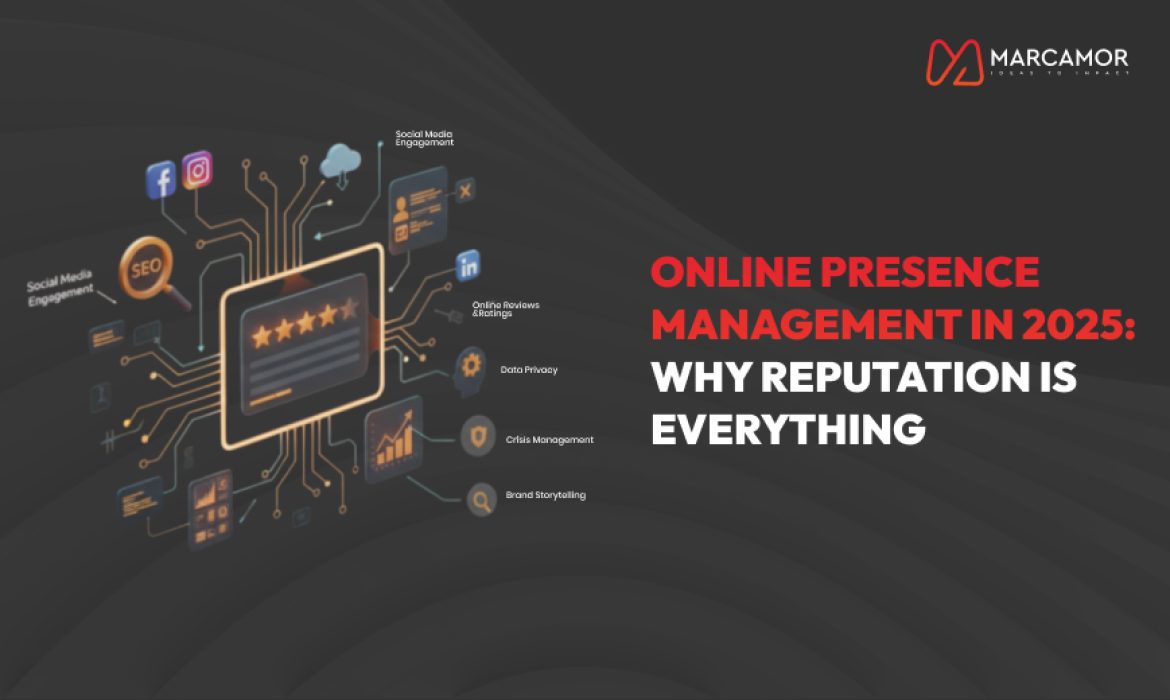
Online Presence Management in 2025: Why Reputation is Everything
Online Presence Management in 2025: Why Reputation is Everything
By 2025, your online reputation has become one of the strongest factors determining business growth. Modern customers depend heavily on the digital impression they receive before choosing a brand, and a single search result can either build trust or push them toward a competitor. Reputation today is not just an image it represents credibility and value shaped through social media activity, online reviews, and digital interactions. Managing your online presence has therefore become a strategic necessity that influences how customers perceive your brand.
What Online Presence Management Really Means Today
Online presence management is no longer limited to having a website or active social media profiles. It includes everything that people see, read, or hear about your brand across digital platforms. This involves website quality, consistency in social content, the tone of communication, and the trust signals offered through reviews and testimonials. In 2025, your digital presence reflects your brand personality, values, and professionalism. Managing this presence has become a continuous responsibility rather than a one-time effort.
Why Business Reputation Matters More Than Ever in a Digital-First World
Reputation is the currency of digital trust. Customers now depend more on what others say about your brand than on what you say about yourself. A strong reputation builds credibility, boosts conversions, and shapes customer perception throughout their decision-making process. With increasing online transparency, every positive or negative interaction contributes to how people understand your brand. Companies with trustworthy reputations enjoy higher visibility, deeper loyalty, and faster growth in a digital-first environment.
How Online Presence Affects Customer Trust and Brand Credibility
In 2025, customer trust is built through their overall digital experience with your brand. When your website loads quickly, your content feels relevant, and your communication stays consistent, customers begin to see you as reliable. Positive reviews, responsive communication, and visible customer engagement strengthen this trust even more. Every digital touchpoint adds to your credibility, helping your brand appear dependable and professional. This strong foundation influences purchasing decisions and long-term customer relationships.
Low-Competition Strategies to Improve Online Reputation in 2025
Improving your online reputation in 2025 requires steady, strategic effort. Enhancing content quality, updating outdated messaging, and using professional digital visuals all strengthen your presence. Honest communication, timely responses to comments, and transparency in services significantly shape how customers perceive your brand. Consistent posting schedules, genuine engagement, and active participation across platforms all help build a stronger online impression.
Online Reputation Management Tips for Small Businesses and Startups
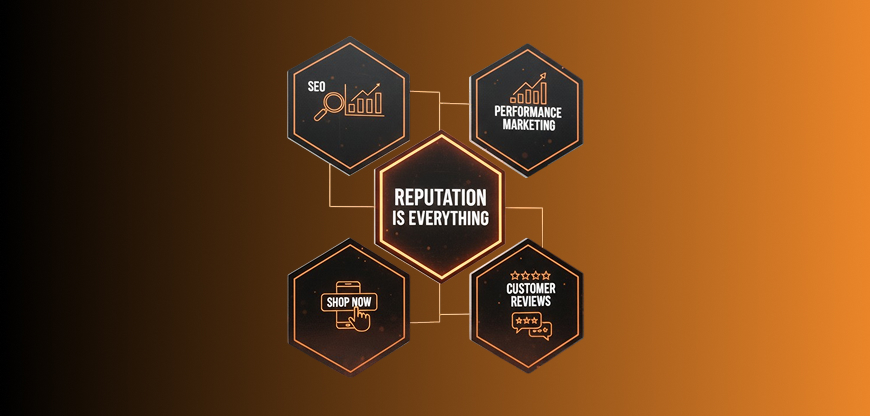
For small businesses and startups, reputation when managed well becomes one of the most powerful drivers of growth. A clean and consistent digital identity creates immediate trust and credibility even before customers interact with you. Customer testimonials, accurate business information, and unified messaging across all platforms elevate your online presence. Startups succeed when they embrace authenticity, responsiveness, and customer-first communication, values that digital audiences easily recognize and appreciate.
The Role of Customer Reviews in Shaping Digital Reputation
In 2025, reviews remain at the center of digital reputation. Reviews reflect real customer experiences and strongly influence new buyers. Positive reviews increase trust, visibility, and perceived reliability, while negative reviews point out areas for improvement. The way a business responds to reviews shows its professionalism and accountability. Engaging with feedback, addressing concerns, and highlighting positive experiences all help strengthen trust and reinforce credibility over time.
How to Build Online Trust Through a Consistent Digital Presence
Consistency is one of the most important factors in building online trust. When a brand regularly appears, shares meaningful content, and maintains open communication, customers feel connected and assured. Consistent branding across all platforms signals dedication and reliability. This steady digital presence eliminates communication gaps and keeps the brand relevant, memorable, and trustworthy.
Digital Identity Management: Protecting Your Brand in 2025
In today’s fast-paced digital environment, protecting your brand identity is essential. Monitoring brand mentions, correcting misinformation before it spreads, and securing digital assets help maintain clarity and prevent confusion. Businesses must stay alert and take timely action to preserve a clean digital footprint. Effective identity management keeps your reputation strong and resilient even during challenges or crises.
Conclusion
In 2025, reputation is more than an asset, it is the backbone of customer relationships and a core driver of brand success. A strong online reputation is built on trust, transparency, and professionalism, shaping how customers feel about your brand before they ever interact with it. Businesses that treat reputation management as a key differentiator gain customer loyalty, remain competitive, and thrive in the digital economy. Marcamor supports organizations with strategic guidance and innovative solutions to build strong digital reputation and lasting brand credibility.
FAQs
Why does online reputation matter in 2025?
Because in a digital-driven world, online reputation directly affects customer trust and purchasing decisions.
How does online presence influence customer behavior?
A strong and consistent online presence builds credibility and assures customers that your business is reliable.
What helps small businesses maintain a strong online reputation?
Positive reviews, accurate information, consistent communication, and active customer engagement all support a strong reputation.
Do customer reviews impact brand growth?
Yes—reviews significantly increase trust, visibility, and overall brand reliability.
How can businesses maintain a strong digital identity?
By monitoring online mentions, maintaining consistent brand messaging, and responding promptly to feedback.
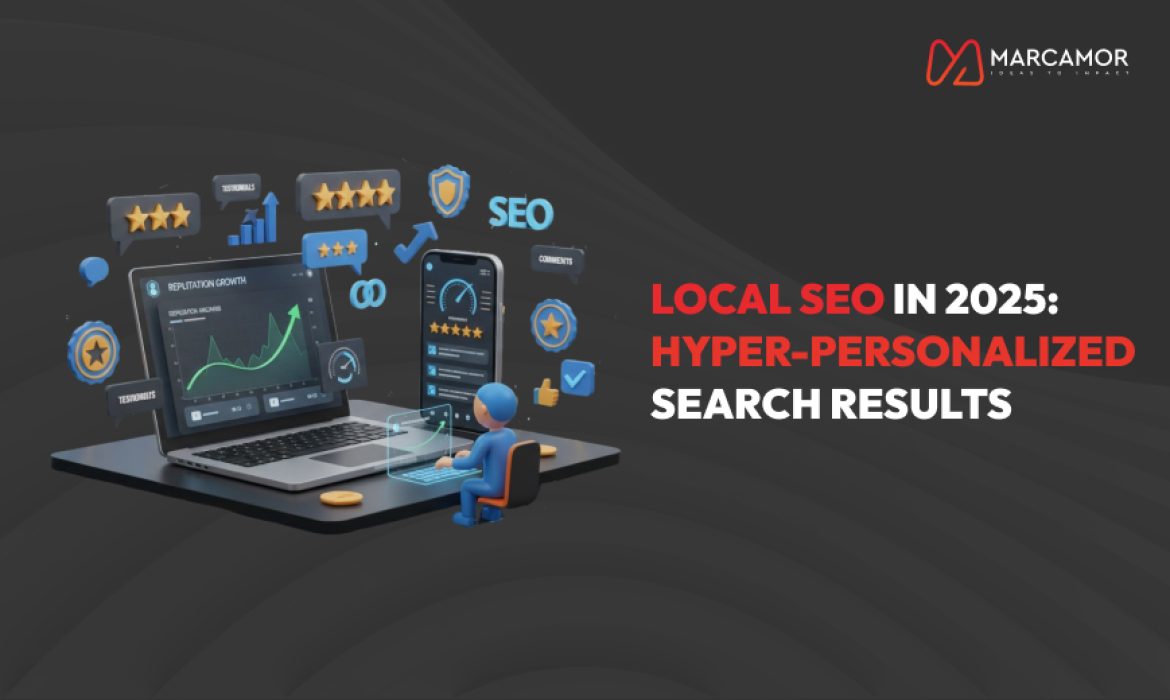
Local SEO in 2025: Hyper-Personalized Search Results
Local SEO in 2025: Hyper-Personalized Search Results
Local SEO in 2025 marked a new phase where search engines understand user intent with exceptional accuracy. Google now delivers results that match personal behavior, real-time location, browsing interests, and even purchase habits. As search moves toward hyper-personalization, precision in optimizing digital presence has become essential for businesses. Users no longer receive generic search results, they get outputs tailored exactly to their needs, preferences, context, and intent. This shift has transformed how local businesses appear in search results and how customers engage with brands.
What is Hyper-Personalized Search in Local SEO?
Hyper-personalized or hyper-localized search in local SEO refers to Google’s approach of tailoring every search result to individual users based on their history, interests, location signals, and behavior patterns. It delivers results that feel custom-made for each user, going far beyond simple keyword matching. For example, when someone searches for a service “near me,” Google now considers their previous visits, preferences, device type, and even the time of day to show the most relevant business. This new model enhances both user experience and business visibility.
Why Hyper-Personalization Dominates Local SEO in 2025
Hyper-personalization has become the core of Local SEO because users now expect highly accurate and relevant results. Businesses whose content aligns with location-specific preferences and user behavior gain stronger visibility. Google evaluates user journeys, user engagement time, reviews, and past interactions to predict what each person is most likely to click. This makes the search experience more intuitive while pushing businesses to adopt smarter optimization strategies.
Google’s Local Ranking Factors in 2025
In 2025, Google’s local ranking system is shaped by user intent, contextual signals, AI-driven behavior patterns, and hyperlocal accuracy. Beyond keywords and backlinks, Google now measures real user experience, micro-location relevance, and the authenticity of a business. Search engines have become more intelligent and intuitive, predicting user intent and connecting them with the most relevant service provider. This highlights the importance for brands to maintain updated business profiles, fresh content, and behavior-oriented optimization across platforms.
How AI Transforms Local Search and “Near Me” Results
AI plays a major role in reshaping “near me” searches in 2025. Google uses machine learning to understand what users want even before they complete their query. It recognizes needs based on frequently visited places, preferred service categories, buying behavior, and review activity. AI-driven personalization enables users to get accurate results with fewer clicks. These advancements require businesses to create content aligned with real user expectations and real-world behavior patterns.
Optimizing for Hyper-Local Personalized Search in 2025
Local search optimization in 2025 revolves around understanding how people think, move, and search personally. Businesses must optimize their Google Business Profiles by providing accurate information, local descriptions, and real-time updates. Content should address micro-locations, user pain points, and behavior-driven needs. Search engines reward businesses that demonstrate strong local credibility, user engagement, and exceptional experience. The more personalized your content and online presence, the easier it becomes to rank in competitive markets.
Hyperlocal SEO Strategies for Small Businesses
Hyperlocal SEO focuses on targeting very specific locations and search patterns. Micro-targeted content helps small businesses in 2025 build stronger local audiences within small geographic zones. It increases visibility for keywords related to nearby areas, local landmarks, neighborhoods, and community-based searches. Personalized offers, real-time updates, and locally focused blogs help businesses gain customer trust and strengthen local authority. These strategies naturally lead to better visibility and conversions in competitive digital environments.
Google Maps Ranking Trends in 2025
In 2025, Google Maps rankings prioritize real-time user behavior and credibility signals. Google favors businesses that consistently update their information, upload fresh visuals, receive new reviews, and interact actively with customers. Quick responses, high engagement, and trustworthy service details boost ranking potential. Since Google Maps has become a major traffic source for local brands, optimizing for these trends is crucial for maintaining strong visibility.
The Future of Local SEO Beyond 2025
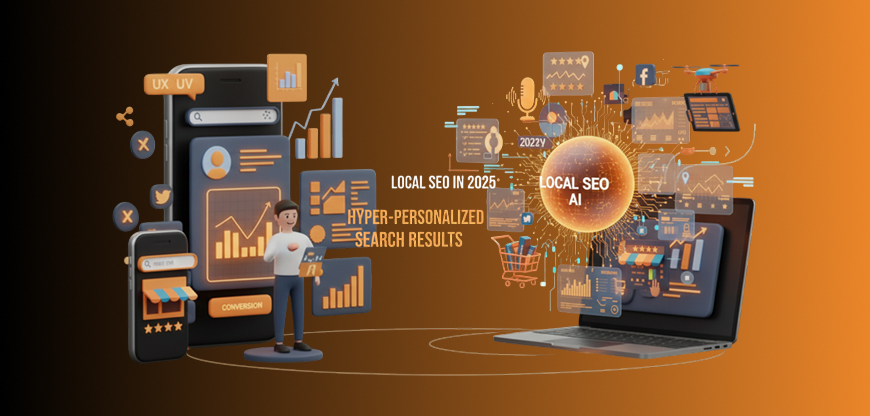
Beyond 2025, local SEO will revolve around deeper intent prediction, advanced AI-personalization, and immersive local experiences. As search engines continue refining how they match users with brands, context-driven optimization will remain essential. Hyper-personalization is only beginning personalized digital journeys that will dominate in the future. Businesses that adapt to behavior patterns and location intelligence will continue performing well for years to come.
Conclusion
In 2025, Local SEO is driven by AI, user intent, and hyper-personalized experiences. Businesses that understand personalization and update their strategies gain stronger visibility, engagement, and conversions. As digital trends evolve rapidly, companies like Marcamor play a vital role in helping businesses implement advanced, AI-based local SEO strategies that deliver real results. A promising future awaits brands that focus on relevance, accuracy, and personalization.
FAQs
How does AI influence local SEO in 2025?
AI enhances local SEO by analyzing user behavior, predicting intent, and delivering highly personalized results that improve engagement and conversions.
Is hyper-personalized search beneficial for small businesses?
Yes. It helps small businesses appear in front of users who are more likely to convert, improving visibility and ROI.
What is the best way to rank higher in local searches in 2025?
Optimize your Google Business Profile, publish hyperlocal content, keep information updated, and respond actively to customer reviews.
How do “near me” searches work in 2025?
They work using location signals, AI predictions, past user behavior, and enriched local data that help Google deliver accurate, personalized results.

Is Email Marketing Still Effective in the Age of AI and Data Privacy?
Is Email Marketing Still Effective in the Age of AI and Data Privacy?
In today’s digital-first world, artificial intelligence (AI) and data privacy regulations are redefining how businesses connect with their audiences. Email marketing once viewed as an old-school tactic has evolved into one of the most dynamic, high-ROI communication channels.
A History of Email Marketing
Email marketing has come a long way since the days of mass newsletters and generic outreach. What started as a basic communication tool is now a data-driven, hyper-personalized marketing powerhouse.Modern email campaigns rely on behavioral segmentation, automation, and predictive analytics to send the right message to the right person at the right time. However, as AI continues to advance and global privacy laws become stricter, marketers face a new challenge balancing innovation with ethical communication.
How AI Is Revolutionizing Email Marketing Effectiveness
Artificial Intelligence has completely transformed the way businesses plan, design, and deliver email campaigns. Gone are the days of guesswork today’s marketers can use AI to:
- Forecast customer actions based on engagement history
- Automatically optimize subject lines, send times, and content blocks
- Personalize messages using behavior, interests, and geography
This shift toward AI-driven email marketing has boosted open rates, improved CTR, and increased conversions. AI doesn’t replace human creativity; instead, it enhances it by allowing marketers to focus on storytelling while the machines handle precision and timing.
The Power of Privacy in Modern Email Marketing
The emergence of privacy laws like GDPR in Europe and India’s DPDP Act has redefined how companies collect and use consumer data. While such regulations limit how deeply marketers can track users, they’ve created a more trustworthy ecosystem.By being transparent and consent-based, brands can build genuine relationships with audiences that actually want to hear from them.
Will Email Marketing Survive in the Age of AI and Data Privacy?

Even as digital trends evolve, email remains one of the most affordable and high-return marketing channels. Instead of generic email blasts, success in 2025 depends on:
- Value-focused storytelling
- AI-based personalization
- Privacy-first segmentation
Opt-in loyalty and retention programs
Future-Proof Email Marketing Best Practices for 2025
To stay ahead in the AI and data privacy era, marketers should focus on a human-meets-automation approach. Respect privacy as a priority, maintaining transparency in data collection. Write emotionally intelligent, story-driven copy that connects beyond clicks. Continuously test and optimize every campaign using real-time analytics. Most importantly, focus on trust and value subscribers engage when emails enrich their lives, not when they sell aggressively.
Conclusion
In the era of AI and data privacy, email marketing isn’t dying, it’s evolving. It’s becoming smarter, more personalized, and far more customer-centric. Businesses that adapt to this transformation will not only retain their audience but also build stronger, trust-based relationships.
At Marcamor, we empower brands and franchises to embrace the future of digital communication. Our AI-driven marketing campaigns, privacy-compliant automation systems, and human-centered creative strategies help businesses achieve success ethically and efficiently.
FAQs
Is email marketing still relevant in 2025?
Yes. With AI-powered personalization and privacy-first practices, email remains one of the most effective and ROI-driven marketing channels for brands.
How does AI enhance email marketing performance?
AI helps forecast customer behavior, personalize messages at scale, and optimize delivery timing, resulting in higher open and click-through rates.
Can small businesses use AI for email marketing?
Absolutely. Platforms like Mailchimp, HubSpot, and Sendinblue offer built-in AI tools that assist small businesses in automation, segmentation, and analytics.

Startup Success in 2025: Strategies Every Founder Should Know
Startup Success in 2025: Strategies Every Founder Should Know
The startup landscape in 2025 is evolving faster than ever. New technologies, shifting customer expectations, and a global digital economy have reshaped what it truly takes to succeed. Founders are no longer just building products, they’re building adaptable, data-driven, and purpose-led companies. Startup success in 2025 depends on how fast founders can innovate, pivot, and stay ahead of the curve while balancing sustainability and growth.
The New Reality of Startup Success in 2025
In 2025, startups are thriving on innovation, agility, and customer empathy. Startup growth strategies for founders in 2025 now center around leveraging technology and understanding human behavior at scale. With automation and AI transforming every aspect of business, founders must focus on smarter not harder growth. The key to success lies in aligning mission, technology, and people into one cohesive vision that adapts as markets shift.
Building a Solid Foundation for Sustainable Growth
Before scaling comes structure. Founders who invest time in perfecting their startup strategy checklist for 2025 tend to achieve longer-term results. Having a clear value proposition, testing product-market fit, and setting agile goals can make or break your early-stage momentum. In this digital decade, the ability to validate ideas fast while managing resources wisely gives startups a competitive edge. Founders who focus on sustainability from the start are better positioned to weather market changes and attract investors who value long-term impact over short-term hype.
Smart Funding and Financial Planning for Founders
In a time when capital is accessible yet competitive, mastering startup fundraising strategies for founders 2025 is crucial. Bootstrapping is regaining importance as founders learn to build proof of concept before chasing big rounds. Financial discipline managing burn rates, tracking ROI, and balancing innovation budgets helps startups thrive even in uncertain economic climates. Platforms that simplify digital fundraising are empowering founders to connect with mission-aligned investors globally, reshaping the startup finance ecosystem.
Leveraging AI and Technology for Competitive Advantage
The rise of AI is not a threat but a catalyst for startup efficiency. From predictive analytics to smart marketing automation, AI tools for startups 2025 are helping founders make smarter decisions. AI-powered customer insights, automated workflows, and data-driven personalization improve not only operational performance but also user experience. Founders who adopt technology early often find themselves scaling faster, saving costs, and responding to trends more dynamically than traditional competitors.
How Startups Win in the Digital Age
Today’s founders understand that brand trust and authenticity are as important as visibility. Startup marketing strategies 2025 for founders involve connecting emotionally with audiences, not just selling products. Content storytelling, SEO-driven blogs, Social Media engagement, and privacy-compliant data collection all contribute to a strong brand presence. Ethical marketing rooted in transparency drives higher CTRs and conversions, ensuring long-term loyalty and credibility in a crowded digital market.
Startup Success Begins with Culture

Behind every successful startup lies a strong culture that reflects its values and people. Founders who prioritize culture early create workplaces that attract top talent and inspire innovation. In building startup culture 2025, collaboration, mental well-being, and diversity are key elements. A positive culture fuels creativity and resilience qualities that determine whether a startup can adapt or fade away when faced with challenges.
Measuring Progress and Adapting to Change
The most successful founders in 2025 know that metrics are more than numbers; they’re indicators of direction. Tracking KPIs like Customer Retention, user engagement, and conversion rates helps measure growth effectively. However, adaptability remains the ultimate growth driver. Founders must be ready to pivot based on insights, embrace constructive feedback, and redefine goals to stay relevant. The ability to evolve quickly separates thriving startups from those left behind.
Conclusion
Startup success in 2025 isn’t about who raises the most money, it’s about who builds the most meaningful impact. Founders must embrace innovation, stay adaptable, and commit to continuous learning. The startups that will dominate this decade are those that blend technology with authenticity and purpose.
At Marcamor, we believe in empowering startups with strategic marketing, data-driven insights, and digital growth solutions that help founders turn their vision into sustainable success. Whether you’re building your first startup or scaling globally, Marcamor stands beside you guiding every step toward a brighter, smarter future.
FAQs
What defines startup success in 2025?
Startup success in 2025 is defined by adaptability, innovation, and sustainable growth. Founders who align technology with customer needs and long-term purpose tend to achieve lasting success.
How can founders leverage AI for startup growth?
AI helps automate operations, optimize marketing, and analyze data effectively. Tools that predict customer behavior and improve efficiency are vital for growth in 2025.
What are the best low-budget strategies for early-stage startups?
Leverage digital marketing, build an authentic online presence, and focus on organic growth before heavy ad investments. Marcamor’s digital strategies can help startups scale even on limited budgets.
Why is company culture crucial for startup success?
A strong culture drives productivity, loyalty, and innovation. Founders who prioritize transparency and collaboration create lasting brands that adapt through every phase.
How can Marcamor help startups succeed in 2025?
Marcamor provides result-driven digital marketing, brand strategy, and growth consulting that align with 2025’s startup trends. Their expertise helps founders scale smartly and achieve measurable business outcomes.

The Future of Franchise Marketing in 2025
The Future of Franchise Marketing in 2025
Franchise marketing is set for a major transformation in 2025. With evolving consumer preferences, AI-driven insights, and a stronger focus on digital and hyperlocal marketing, small business franchise owners must prepare for change.The 2025 franchise Marketing Strategy is no longer just a wish, it’s a data-backed plan to drive growth. Emerging trends emphasize agility, data-based decision-making, and hyper-personalized customer experiences. Early adopters will gain a competitive edge, building deeper, long-term relationships with their target audiences.
Understanding Today’s Franchise Marketing Landscape
In earlier years, franchise marketing revolved around mass branding and generic messaging. But times have changed. Modern audiences demand local content, personalized advertising, and engaging online experiences.Franchise marketing trends in 2025 focus on local-first strategies leveraging geographically targeted campaigns, interactive social media engagement, and real-time customer feedback. Franchises that embrace these innovations are best positioned to thrive in the new marketplace.
AI and Automation in Franchise Marketing
Artificial Intelligence is redefining franchise marketing by transforming lead generation, personalized customer engagement, and operational efficiency.From automated email campaigns and social media scheduling tools to customer segmentation software, franchises can now work smarter, not harder. AI enables predictive analytics, helping marketers optimize campaigns in real time.The franchise marketing automation platforms of 2025 empower business owners to focus on strategic growth while technology handles repetitive tasks efficiently.
Budget-Friendly Franchise Campaigns in 2025
Contrary to popular belief, effective franchise marketing doesn’t require massive budgets. The 2025 franchise marketing landscape favors low-cost yet high-impact campaigns.Franchises can achieve strong ROI through influencer collaborations, local partnerships, and content marketing all powered by automation and data analytics. These cost-effective tactics enable small and mid-sized franchises to compete on a level playing field without overspending.
Predictive Analytics and Data-Driven Decisions
In 2025, data will be the backbone of franchise marketing success. Predictive analytics allows franchises to anticipate customer behavior, optimize campaigns, and boost conversion rates.By analyzing historical data and market trends, franchises can make intelligent, risk-minimized decisions and accelerate growth. Data-driven marketing ensures every initiative is measurable, goal-oriented, and performance-focused.
Voice Search and Emerging Technologies

Emerging technologies such as voice search, AI assistants, and chatbots are reshaping how franchises communicate with customers.Optimizing for voice search in 2025 will be essential for visibility across mobile and smart devices. Franchises that adopt these innovations early will gain a competitive advantage offering faster, more personalized customer interactions and streamlined service delivery.
Conclusion
Franchise marketing in 2025 will be defined by AI-powered decision-making, hyperlocal strategies, automation, and omnichannel integration. Franchises embracing these changes won’t just survive, they’ll lead.Marcamor simplifies this transformation by delivering cutting-edge franchise marketing solutions, from hyperlocal engagement to AI-driven growth strategies. With Marcamor’s expertise, franchises can future-proof their marketing, strengthen customer connections, and achieve sustainable success.
FAQs
What are the biggest franchise marketing trends of 2025?
The leading trends include AI-driven personalization, hyperlocal marketing, omnichannel integration, predictive analytics, and emerging tech like voice search.
How can small franchises leverage digital marketing without overspending?
Small franchises can adopt low-cost tactics such as influencer marketing, automation tools, and social media campaigns. These cost-effective strategies drive strong ROI without heavy investment.
How will AI and automation impact franchise marketing in 2025?
AI simplifies campaign management, enhances targeting, and enables real-time optimization. Marketing automation lets franchise owners focus on strategy while technology ensures precision and efficiency.

How Is AI Reshaping Startup Growth Strategies in 2025?
How Is AI Reshaping Startup Growth Strategies in 2025?
Artificial Intelligence (AI) is revolutionizing the startup ecosystem at a speed never seen before. Right from product development to acquiring customers, AI is no longer a science fiction story but a tangible growth accelerator. For 2025 startups, AI provides the power to grow smart, wise, and quick.
The Role of AI in Startup Growth

Startups live depending on timing and innovation, and AI offers both. Through automation, Customer Behavior predictive modeling, and process Optimization, AI offers the same fuel startups require to grow. Old-school established businesses can’t keep up with such quickness, while startups can onboard AI solutions right from day one and fuel growth.
Key Uses of AI in Startups
- Customer Acquisition & Retention
AI is transforming customer interaction through personalization of each lifecycle stage. Through AI chatbots and Predictive Analytics, startups can learn the needs of customers and send targeted campaigns to enhance satisfaction and retention.
- Product Development & Innovation
AI-powered Product Development is transforming innovation cycles. Through the decrease in time and resources needed from ideation to prototyping, startups can launch products quicker and respond immediately to consumer demand.
- Operations & Cost Efficiency
For lean startups, AI is a must. Robotic agents handle ordinary tasks such as data input, customer service, and supply chain processes. Not only does it save money, but it also provides founders with time to concentrate on strategy and growth.
- Growth Hacking & Marketing
AI drives wiser marketing initiatives. From the creation of ad copy to ad optimization, growth hacking can be made more efficient than before by leveraging predictive analytics to identify the correct audience and drive the highest ROI, as startups can
AI Trends for Startups in 2025
AI Agents: Intelligent than chatbots, capable of executing sophisticated workflows.
Generative AI: Helping in the generation of marketing materials, product designs, and new concepts.
AI in Capital: Investors are increasingly wagering on AI-driven startups for greater ROI.
Conclusion
AI is no longer a distant vision, it has become the driving force empowering startups to innovate, expand, and stay competitive in 2025. From streamlining operations and elevating customer experiences to delivering smarter, data-driven insights, AI is transforming growth strategies across every stage of a startup’s journey. Yet, true success comes not from using AI tools alone, but from applying them strategically with creativity and foresight. At Marcamor, we enable startups to harness AI’s full potential to accelerate growth, strengthen resilience, and achieve lasting success in today’s fast-evolving business landscape.
FAQs
In what ways is AI supporting the development of startups in 2025?
Through enabling quicker acquisition of customers, cost reduction, innovation in products, and scalability.
What AI tools are appropriate for startups?
Chatbots, predictive analysis, marketing generative AI, and workflow automation.
Is AI economically feasible for small-scale startups?
Yes. Startups can start with lean and inexpensive AI solutions that increase proportionally as they expand.
How Will Voice Search Change Google in 2025?
How Will Voice Search Change Google in 2025?
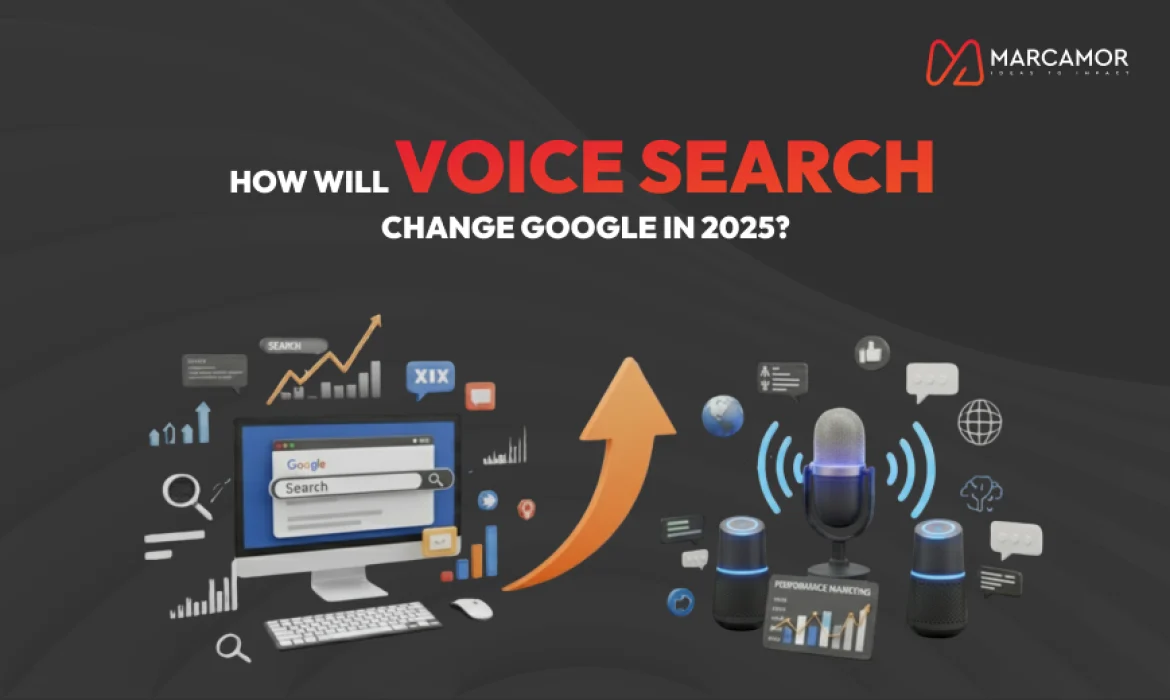
Voice search is transforming human-technology interaction, and come 2025, it will transform the way Google provides search results. More people are using AI assistants such as Google Assistant, Alexa, and Siri, and numbers are shifting to voice commands instead of typing on keyboards. It is critical that businesses and marketers learn about this trend because early adoption is a competitive advantage. This article explores the revolution of voice search on Google, its impact on SEO, and strategies for businesses to maintain a competitive edge.
The Emergence of Voice Search in Google
Over the last couple of years, search has moved from keyword typing to natural language, or conversational search. Google now has to understand context and intent instead of word-by-word matching. Smartphones, smart speakers, and voice assistants all combined have contributed to this development in a ginormous way. Voice search will be a massive percentage of total searches by 2025, and with it comes a new Content Optimization and SEO strategy.
Google New Voice Search Features 2025
Google is transforming to make voice search expand, and features like Google Search Live voice chat and the introduction of AI Mode to voice search make it so. Such features enable customers to interact with search in a more conversational and interactive way, resulting in more interactive and context-based results. AI-powered voice search is capable of recognizing multiple-keyword queries, remembering queries, and providing real-time responses personalized to users. Brands with high exposure balance these out.
Voice Search and Local SEO
Voice search may be applied to local SEO as well. Consumers enjoy the use of geographically based keywords like near me during voice search. Businesses that claim and optimize their Google My Business listing, provide precise location details, and engage in conversational copy can attract more customers using voice search. Executives can improve their chances of success in local search results by utilizing voice search, compared to businesses that rely solely on traditional SEO methods.
The Future of Search Behavior
Voice and conversational conversation will substitute search behavior by 2025. The consumer will demand Google to understand context, remember conversation history, and respond quickly and accurately. Marketers will need to work on developing content that syncs with the pace of natural conversation, providing short answer responses, and using long-tail conversational keywords. Businesses embracing such trends will see heightened engagement and better search rankings.
Conclusion
Voice search will transform Google in 2025 through natural language conversation-based searches, AI-powered answers, and featured snippets. Voice search, local search, and natural language content development optimized for companies will benefit tremendously with customer support. Marcamor provides an effortless way for companies to manage these emerging trends by embracing voice search methods, optimizing for AI-powered search, and putting companies at the vanguard of the changing digital sphere.
FAQs
What is voice search and how does Google deal with it?
Voice search allows individuals to speak their questions instead of having to type them. Google uses speech recognition and artificial intelligence to interpret and provide relevant results in real-time.
Will voice search change SEO company strategies?
Yes. Businesses must focus on natural language, question-based content, featured snippets, and mobile sites to receive voice search traffic.
How will voice search most likely impact Google rankings in 2025?
Google will favor conversational, natural-language content by 2025. Sites optimized for voice search will probably rank higher.

Will Virtual Influencers Replace Humans in Influencer Marketing by 2025?
Will Virtual Influencers Replace Humans in Influencer Marketing by 2025?
Human influencers have shaped marketing for over a decade, revolutionizing how brands connect with audiences. However, a new wave is emerging: AI- and CGI-driven Virtual Influencer Marketing. These avatars are trendy, dependable, and drama-free, offering brands unique advantages.
What Are Virtual Influencers?
Virtual influencers are computer-generated avatars designed to look and behave like humans. They share pictures, videos, and interact with followers on platforms like Instagram, TikTok, and YouTube. Examples include Lil Miquela globally and Kyra in India.Brands use virtual influencers because they offer complete creative freedom from appearance to messaging.
Comparing Human and Virtual Influencers
1. Authenticity & Trust
Human influencers bring real emotions, experiences, and authenticity to their audience. Virtual influencers can imitate human behavior but cannot build genuine trust.
2. Costs & ROI
While virtual influencers are expensive upfront, they are more cost-effective in long-term campaigns. Some audiences, however, may perceive them as less authentic than humans.
3. Creativity & Engagement
Humans thrive on improvisation and flexibility, while virtual influencers rely on scripted content, which can limit emotional engagement.
Advantages of Virtual Influencers
Virtual influencers are gaining attention for the unique advantages they bring to modern marketing. One of the biggest benefits is total brand control every post, description, and appearance can be carefully managed to align with a company’s values. They also offer safe branding, as they remain free from scandals, negative publicity, or unpredictable actions, ensuring that a brand’s reputation stays protected.
Challenges of Virtual Influencers

The use of Virtual Influencers also comes with certain challenges. The most notable is the lack of authenticity. People connect deeply with real stories and emotions, and when audiences realize that an influencer is artificial, engagement may decline. There are also ethical concerns, as some believe virtual influencers can mislead consumers due to their lack of a genuine identity. In addition, cultural barriers play a role especially in countries like India, where trust and personal connections are key to influence, adoption of virtual influencers may progress more slowly.
The Future of Virtual Influencers
Looking ahead, by 2025, virtual influencers are expected to supplement rather than replace human influencers. Brands are likely to adopt a hybrid model, using human influencers to build trust and credibility, while relying on virtual influencers for consistency, creativity, and control. This balance can help businesses future-proof their marketing strategies while connecting with diverse audiences in meaningful ways.
Conclusion
Virtual influencers will remain the king of influencer marketing in 2025 but will not supersede human influencers completely. Instead, they will support human imagination and authenticity, encouraging a hybrid influencer economy where human and virtual personas will work together to share brand stories.
At Marcamor, we help brands address such changes by combining real storytelling with cutting-edge digital technology ensuring that influencer marketing stays effective and impactful in a rapidly changing marketplace.
FAQs
How are human and virtual influencers distinct?
Human influencers rely on real emotions and experiences, while virtual influencers are CGI characters controlled by brands for consistency.
Are virtual influencers cheaper than human influencers?
They save on travel, production, and risk of scandals, though creating a CGI influencer can be costly upfront.
Will virtual influencers replace human influencers by 2025?
Unlikely. Hybrid campaigns combining human and virtual influencers are expected to dominate.
Are brands using virtual influencers?
Yes. Global brands like Prada and Samsung, and India’s fashion and beauty sectors, are experimenting with them.
PPC Trends for 2025: From Manual Keywords to AI Campaigns
PPC Trends for 2025: From Manual Keywords to AI Campaigns
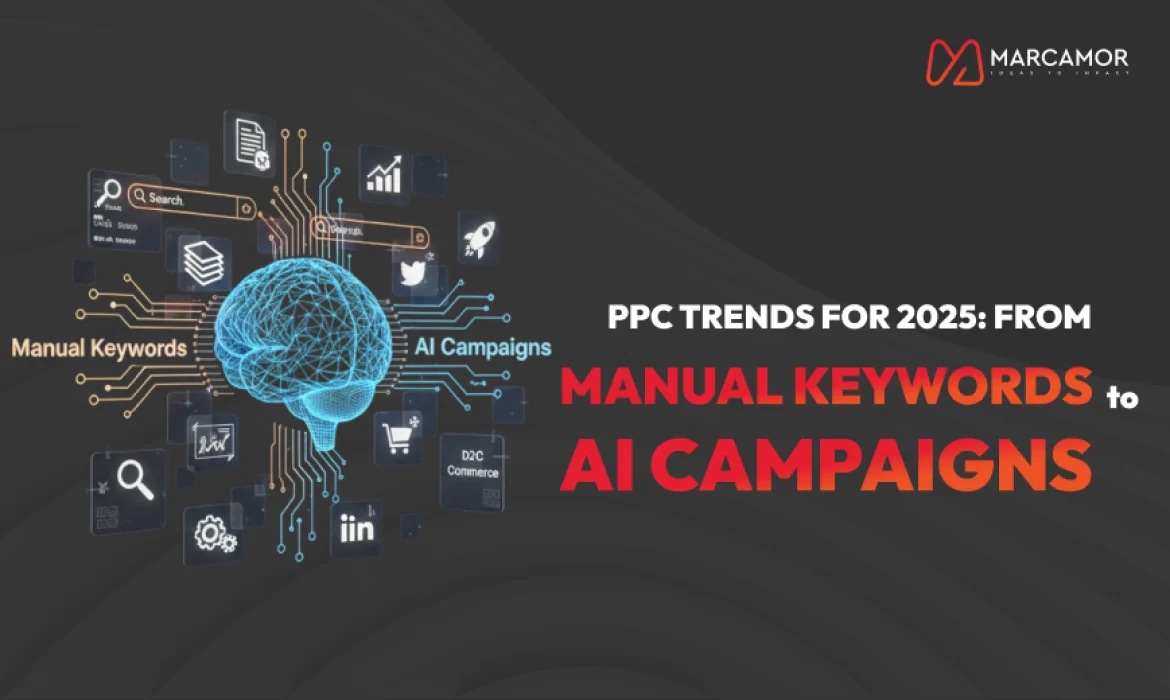
Pay-Per-Click (PPC) advertising has always deviated from traditional methods. Advertisers have been manually keyword targeting and bidding for years as they experimented with campaigns. However, in 2025, the PPC landscape is experiencing rapid acceleration, driven by AI-powered automation.To stay ahead, companies need to redefine campaign management, focusing on smarter bidding and voice-driven search trends.
The Evolution of PPC: Manually Managed to Automated
There was complete control for advertisers in the early stages of PPC choosing keywords manually, bidding, and optimizing in terms of targeting. The mechanism provided them with high-granularity control, but there was always a necessity of keeping it up-to-date.
Fast-forward to 2025, and manual bidding is also slowly being overtaken by tools such as Google Ads going towards AI-supported automation. Manual keywords are not yet on life support. However, they still live where precision targeting is most important in niche campaigns.
AI-Powered PPC Campaigns: The Game Changer
Artificial intelligence is revolutionizing PPC more than ever. AI technology can now predict user behavior, target automatically, and dynamically optimize the ads in real time something that human operations cannot match.
That translates to for small businesses and startups, it is AI-driven PPC campaign tools in 2025 at prices less than ever, within reach. They leverage predictive analytics and machine learning capabilities to deliver better ROI with fewer efforts.
Smart Bidding & Performance Max Campaigns
Advanced bidding strategies are the biggest 2025 PPC shift, and Google Performance Max campaigns replace manual campaigns. Through these campaigns, AI itself decides where, when, and how to show ads on search, display, YouTube, and more.
For small businesses, intelligent 2025 proposals enable them to be more efficient and focused. To avoid money going down the drain, the key is to feed those AI tools with quality, clean data and monitor their performance closely.
Data Privacy & First-Party Data Targeting
In the absence of third-party cookies, companies in 2025 are left with no choice but to increasingly rely on PPC targeting strategies that are harmonious with first-party data. Ethical collection and utilization of customer data in 2025 is now no longer a choice but a requirement for targeted marketing efforts.Email lists, CRM records, and customer activity may all be utilized by start-ups to deploy compliance policy-friendly PPC targeting campaigns with superb performance without compromising compliance policy.
Automation isn’t the only thing revolutionizing PPC ad formats are shifting as well. Interactive ad formats and interactive video advertisements are leading the path for conversions and engagement in 2025.For digital companies, pay-per-click charged video ads are the ideal tool for narration and product demonstration. Experimenting with formats like short-form video ads, interactive question-and-answer surveys, and shoppable ads can benefit firms in standing out.
Conclusion
As PPC advances further in 2025, the shift away from manually addressing keywords and towards campaigns driven by automation, predictive analytics, and AI-optimized campaigns is a dead certainty. The ones who ride with automation, predictive analytics, and AI-optimized campaigns will be the ones benefiting, with better ROI and more precise results. At Marcamor, we lead businesses through such cutting-edge PPC trends, combining the newest technology and strategic vision to make their campaigns smart, efficient, and more productive than ever before. It’s not simply an option to remain ahead in the AI-driven PPC age it’s necessary in order to grow.
FAQs
Will keywords still be manually used in PPC campaigns in 2025?
Yes, but only in some cases where advertisers need complete control. The rest will be left to AI automation.
What is a Performance Max campaign, and how does it differ from a manual campaign?
Performance Max campaigns utilize AI to display ads across Google-owned channels, whereas manual campaigns employ user-defined targeting and bidding.
What are the best ad formats that generate the highest ROI for 2025 PPC campaigns?
Interactive and video ad formats will yield optimal performance and conversion in 2025.
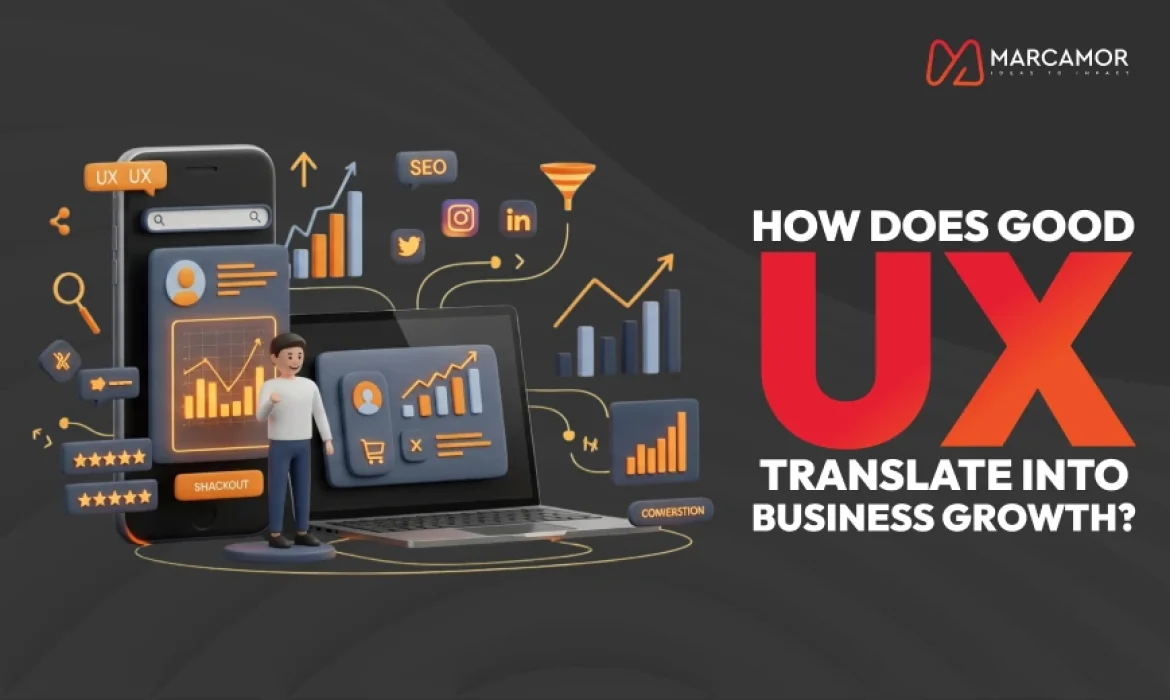
How Does Good UX Translate Into Business Growth?
How does a good user experience lead to business growth?
When people think about how to grow a business, they often picture spending more on marketing, launching new products, or using aggressive sales techniques. User Experience (UX) is one of the most underrated ways to grow. A digital experience that is smooth, fun, and easy to use not only keeps customers happy, but it also makes them want to come back, spend more, and tell their friends. When a brand hires a web design company, investing in UX is not just about looks; it is also about laying the groundwork for long-term growth.
Why is UX important for keeping customers and building loyalty?
A customer is more likely to come back if they like using your website or app. The user feels valued and respected when the site is easy to navigate, loads quickly, and has clear calls to action. This ease builds trust, and trust leads to loyalty. A good user experience also makes people less frustrated, which means they stay longer and are less likely to switch to a competitor.
Customers who come back are what makes a business grow. When customers are happy, they not only buy from you again, but they also tell others about your brand. Word-of-mouth referrals and online reviews help you reach more people without having to spend more money on marketing. Businesses can turn first-time buyers into long-term brand ambassadors by making their websites easy to use and putting the user first.
How does good UX make more people buy things?
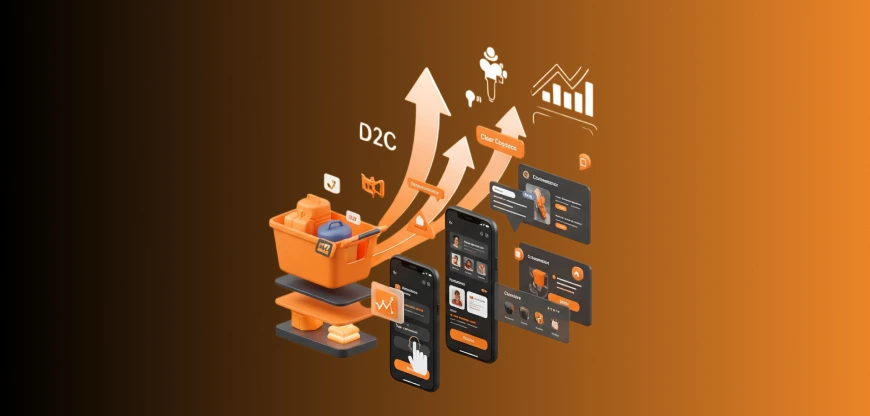
Getting people who visit your website to buy something is one of the hardest things for online businesses to do. CRO and UX are closely related. Users will leave if they can not find what they want, get lost in confusing layouts, or have to go through too many steps to check out. On the other hand, a clear and interesting design makes the journey easier by directing users toward taking an action, whether that action is buying something, filling out a form, or signing up.
Changes, even small ones, can make a big difference. For instance, cutting down on the number of steps at checkout, making the site more mobile-friendly, or adding trust signals like secure payment badges can all lead to a big increase in conversions. A professional Web Design Company knows these small details and creates sites that make it easier for people to take action and for businesses to make more money.
How does UX give you an edge over your competitors?
Businesses often have a hard time standing out in crowded markets. A great user experience is a great way to stand out. Competitors may only care about features or price, but a brand that offers smooth, easy, and fun interactions wins customers’ hearts. A well-designed platform not only gets people’s attention, but it also sets a standard that customers will expect from other platforms.
This advantage in the market grows over time. Customers start to think of the brand as easy to use, trustworthy, and new. Because of this, competitors who do not care about UX have a harder time keeping users, while businesses that do care about it see steady business growth. In short, UX is not just a design choice; it is also a strategic business advantage.
Conclusion
Good UX is not a luxury; it is a way to grow your business. User experience has a direct impact on business outcomes, from building loyalty and increasing conversion rates to creating a unique market position. If a brand wants to grow, it should work with the right web design company, like Marcamor, and focus on improving its conversion rate so that every interaction becomes an opportunity. In simple terms, putting money into UX with Marcamor is a way to make your business successful in the long run.
FAQs
What is the difference between UX and UI in web design?
The look and feel of a website are what UI (User Interface) is all about. UX (User Experience) is all about how easy it is to use, how well it works, and how the user interacts with the site.
How can UX help sales grow?
A better user experience leads to more conversions, fewer people leaving your site, and more customers staying with you all of which directly lead to more money.
Should small businesses also pay attention to UX?
Yes, for sure. A small business with great UX can stand out from bigger ones and get customers to trust them more.
How often should companies change their UX?
It is important to regularly review and improve the user experience, especially as customer behavior, technology, and design trends change. A yearly checkup with a web design company is a good place to start.


About
“Marcamor” The Word “Marca” means the Brand and the meaning of “Amor” is Love.
Services
Quick Links
Connect with us
© 2025 — Marcamor. All Rights Reserved.


Explore Our Offices




“Marcamor” The Word “Marca” means the Brand and the meaning of “Amor” is Love. Our innovative online marketing solutions are designed to elevate your business both digitally and beyond.
Services
Quick Links
Contact us
- +91 99852 02223
- info@marcamor.com
- Ground Floor, Sai Sadan, Survey Of India Ayyappa Society, Survey of India Colony, Chanda Naik Nagar, Madhapur, Hyderabad, Telangana 500081, India.
© 2026 — Marcamor. All Rights Reserved.
WhatsApp us
Web Developer
Lorem Ipsum is simply dummy text of the printing and typesetting industry. Lorem Ipsum has been the industry's standard dummy text ever since the 1500s, when an unknown printer took a galley of type and scrambled it to make a type specimen book. It has survived not only five centuries, but also the leap into electronic typesetting, remaining essentially unchanged. It was popularised in the 1960s with the release of Letraset sheets containing Lorem Ipsum passages, and more recently with desktop publishing software like Aldus PageMaker including versions of Lorem Ipsum.