
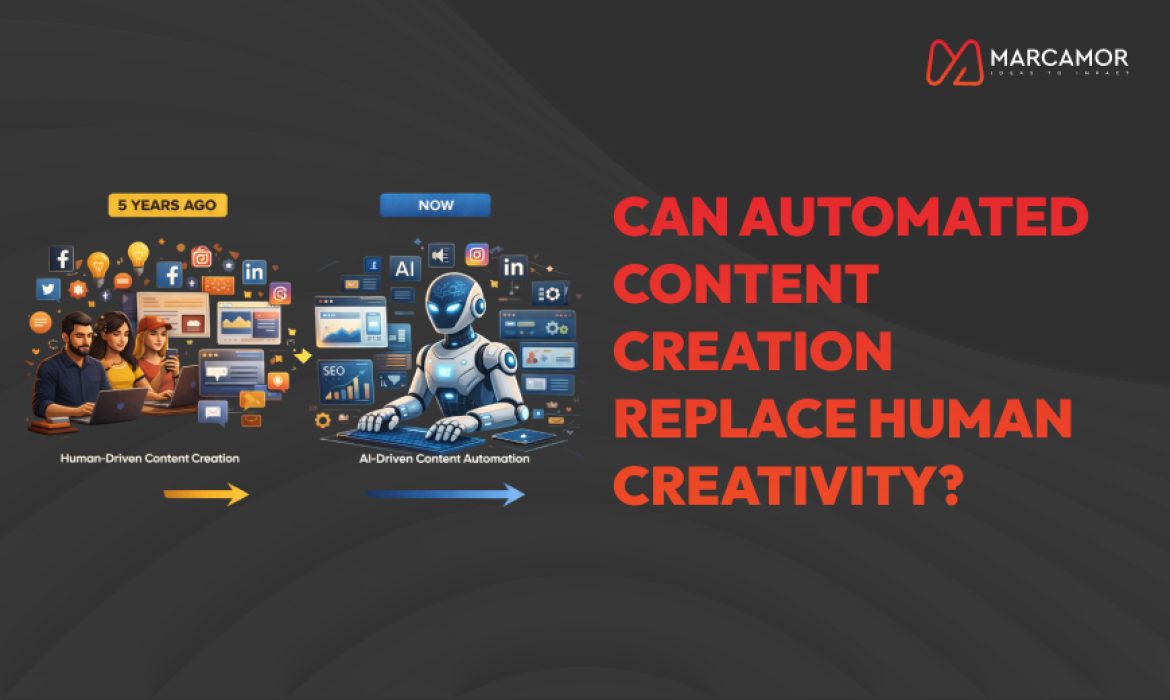
Can Automated Content Creation Replace Human Creativity?
Automated content creation is rapidly transforming the Digital Marketing landscape, enabling brands to produce blogs, ads and social media posts in minutes. With the rise of AI content generation tools, businesses are questioning the future of human writers and creators. As artificial intelligence becomes more advanced, the debate around AI vs human creativity continues to grow. While AI offers speed, scalability and SEO optimization, creativity has always been deeply human. Many marketers now wonder whether automation is a replacement or simply a powerful assistant. This article explores whether automated content creation can truly replace human creativity in the modern content era.
What Is Automated Content Creation and How Does It Work?
Automated content creation refers to the use of artificial intelligence and machine learning algorithms to generate written, visual or multimedia content with minimal human intervention. These AI content generation tools analyze vast datasets, identify language patterns and produce text based on prompts provided by users. Generative AI in marketing is now widely used for blog posts, product descriptions, ad copies, email campaigns and even video scripts. Unlike traditional copywriting, AI writing tools rely on predictive text models rather than lived experience or emotional intelligence. They excel at speed, keyword integration and structured formatting. For startups and small businesses looking to scale quickly, AI content creation can significantly reduce turnaround time while maintaining consistency across platforms.
Advantages of Automated Content Creation in Digital Marketing
One of the biggest benefits of AI content generation tools is speed. What might take a human writer several hours can often be drafted by AI within minutes. This makes automated content highly attractive for businesses managing multiple websites, social media accounts and SEO campaigns simultaneously.Cost efficiency is another driving factor. AI content creation for startups reduces dependency on large content teams, making marketing more accessible to growing businesses. AI tools can also optimize for search engines by integrating target keywords, improving readability scores and structuring articles effectively for ranking. Additionally, AI provides data-driven insights. It can analyze trending topics, identify keyword gaps and suggest content improvements. For brands focused on SEO performance, this analytical advantage can support stronger visibility in search results.
Limitations of AI in Creative Storytelling
While AI has transformed automated content creation, it still faces significant limitations in creative storytelling. True storytelling goes beyond structured sentences and keyword placement, it requires emotional depth, lived experience and cultural awareness. AI generates content based on patterns from existing data, which means it cannot create from personal memory, intuition or genuine emotion. One major limitation is the lack of emotional intelligence. Human writers understand subtle feelings, humor, irony and empathy in ways that machines cannot fully replicate. AI may imitate tone, but it often struggles to deliver authentic emotional resonance that connects deeply with readers. Ultimately, while AI supports efficiency and scalability, creative storytelling still depends heavily on human creativity, critical thinking and authentic expression.
Impact of AI Writing Tools on Content Creators
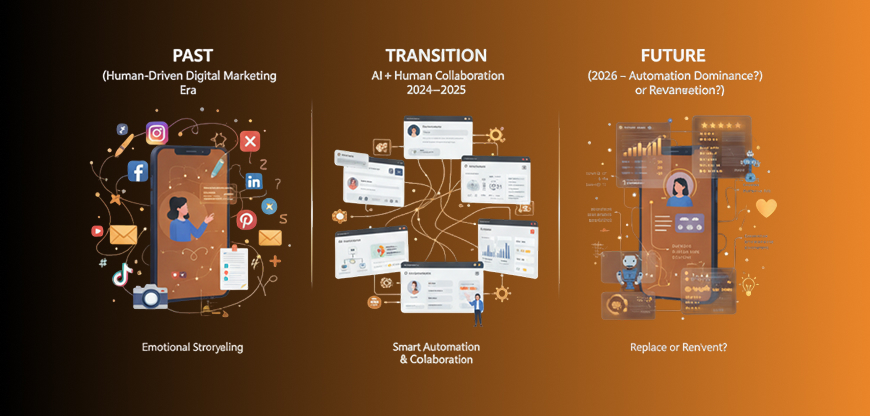
AI writing tools have significantly changed the way content creators work, reshaping both opportunities and challenges in the industry. Many writers initially feared that automated content creation would replace their roles, especially in routine tasks like blog drafting and product descriptions. While AI can produce content quickly, it has shifted the focus of creators from basic writing to strategy, creativity and brand storytelling. For freelance writers and marketers, AI tools now act as productivity assistants. They help with research, idea generation, outlines and first drafts, allowing creators to save time and handle larger workloads. This efficiency can increase earning potential and improve turnaround time for clients.
However, competition has also intensified. Since AI lowers the barrier to content production, more businesses attempt to create content in-house. As a result, writers must differentiate themselves through originality, niche expertise and emotional storytelling areas where human creativity still outperforms automation. Ultimately, AI writing tools are not eliminating content creators but transforming their roles. The most successful professionals are those who combine AI efficiency with human insight, strategic thinking and authentic voice to deliver higher-quality, impactful content.
Conclusion
Automated content creation has undoubtedly revolutionized the way businesses approach digital marketing, offering speed, scalability and data-driven efficiency. However, while AI can generate structured and SEO-friendly content, it cannot fully replicate emotional intelligence, imagination and authentic storytelling. Human creativity remains the driving force behind meaningful connections, brand identity and innovative ideas. The future of content creation lies not in replacement but in collaboration where AI enhances productivity and humans provide depth and originality. Brands that strategically combine automation with creative expertise will gain a competitive edge. In this evolving landscape, companies like Marcamor recognize that sustainable growth comes from balancing intelligent technology with powerful human-driven storytelling.
FAQs
Can AI truly replace human creativity in content writing?
AI can generate structured, keyword-rich content quickly, but it cannot fully replace human creativity. Creative storytelling requires emotional intelligence, personal experience and cultural awareness.
Does AI-generated content rank well on Google?
AI-generated content can rank on Google if it delivers value, accuracy and relevance. Search engines prioritize helpful content rather than how it was created.
What is the best way to combine AI and human creativity in marketing?
The most effective strategy is a hybrid approach. Use AI tools for research, outlines and initial drafts to save time, then refine the content with human creativity, storytelling and emotional depth.