
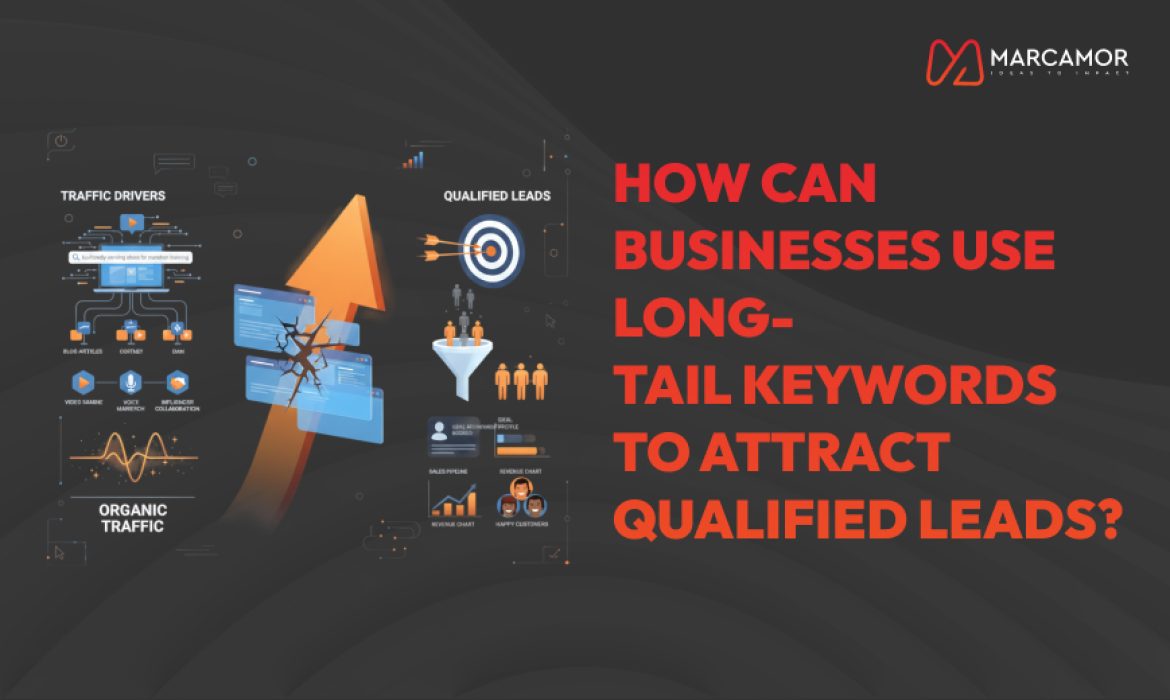
How Can Businesses Use Long-Tail Keywords to Attract Qualified Leads?
Attracting traffic is no longer the primary challenge for businesses operating in competitive digital markets. The real challenge lies in attracting the right audience users who are actively searching for solutions and demonstrate a strong intent to convert. This is where long-tail keywords play a critical role. Unlike broad keywords that attract mixed and often unqualified traffic, long-tail keywords enable businesses to connect with highly targeted users who have clear needs, defined intent and stronger purchasing signals. When implemented strategically, long-tail keywords can transform SEO from a visibility-driven tactic into a powerful, sustainable lead generation engine.
Why Long-Tail Keywords Attract Qualified Leads Better Than Broad Keywords
Long-tail keywords attract qualified leads because they reflect how real users search when they are closer to making a decision. Instead of searching for generic terms, users tend to type detailed and specific queries that describe their exact problem or requirement. These searches indicate intent, which is why long-tail keywords consistently drive higher conversion rates compared to short-tail keywords.From an SEO perspective, long-tail keywords face significantly lower competition. This allows businesses, especially small and service-based ones, to rank faster and gain visibility without competing against high-authority domains. When content aligns precisely with what users are searching for, it not only ranks better but also earns higher click-through rates because the search result feels highly relevant to the user’s intent. Another important reason long-tail keywords attract qualified leads is trust. When users find content that directly addresses their specific query, they are more likely to engage, spend more time on the page and take the next step. This improves dwell time, reduces bounce rates and sends strong relevance signals to search engines, reinforcing rankings over time.
How Long-Tail Keywords Improve Conversion Rates and Lead Quality
Long-tail keywords improve conversion rates by filtering out low-intent traffic. When someone searches using a long-tail phrase, they already know what they want and are often looking for a solution, provider or next action. This makes long-tail keywords ideal for businesses focused on lead quality rather than just traffic volume.Content optimized for long-tail keywords allows businesses to align messaging with user expectations. When the headline, content and call-to-action match the search intent, users feel understood, which increases trust and conversion likelihood. This alignment is especially powerful for service-based businesses, B2B companies and local brands that rely on targeted leads rather than mass visibility. Long-tail Keywords also help businesses segment their audience more effectively. Each keyword can be mapped to a specific stage of the buyer journey, whether it is awareness, consideration or decision. By addressing these stages through focused content, businesses can nurture visitors organically and guide them toward conversion without aggressive selling.
How Businesses Can Find Low-Competition Long-Tail Keywords That Rank Easily
Finding low-competition long-tail keywords starts with understanding how your ideal customers search. Simple tools like Google autocomplete, People Also Ask sections and related searches provide valuable insight into real user queries. These sources reveal keyword opportunities that are often overlooked but carry strong intent and ranking potential.Businesses should also focus on problem-based and solution-driven phrases. Keywords that include words like how, best, for and near often indicate intent and lower competition. Combining industry-specific terms with location, service type or user pain points further reduces competition while increasing relevance.Another effective approach is analyzing competitor content to identify gaps. Many competitors target high-volume keywords but ignore micro-niche phrases that attract qualified leads. By creating in-depth content around these overlooked queries, businesses can establish topical authority and dominate niche search results faster.
How to Use Long-Tail Keywords Strategically in Content for Lead Generation
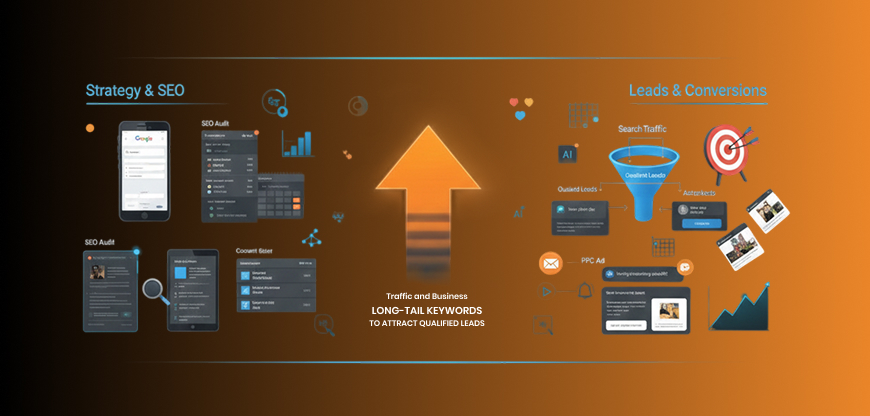
Using long-tail keywords strategically requires more than inserting them into content. They must be integrated naturally into titles, meta descriptions, headings and body content while maintaining readability and intent alignment. Search engines prioritize content that answers questions clearly and completely, which makes long-form, intent-focused content ideal for long-tail keyword optimization.Each page should focus on one primary long-tail keyword supported by closely related variations. This helps search engines understand the topic clearly and prevents keyword dilution. Adding FAQ-style sections within the content further increases visibility in featured snippets and enhances CTR by directly answering common user questions.Internal linking also plays a key role in long-tail keyword strategy. Linking related content helps distribute authority and guides users deeper into the site, increasing engagement and conversion opportunities. Over time, this structured approach strengthens overall SEO performance and lead generation potential.
Conclusion
Long-tail keywords are no longer optional for businesses that want to attract qualified leads. They offer a clear path to higher rankings, better click-through rates and improved conversions by aligning content with real user intent. Businesses that focus on intent-driven, low-competition keywords gain a competitive advantage by attracting users who are ready to engage and convert. By implementing a structured long-tail keyword strategy, brands can build authority, reduce dependency on paid ads and generate consistent organic leads. Platforms like Marcamor help businesses refine their SEO approach by focusing on intent, relevance and sustainable growth, ensuring long-tail keywords are not just traffic drivers but true revenue contributors.
FAQs
How do long-tail keywords attract qualified leads?
Long-tail keywords attract qualified leads by matching specific user intent. When users search with detailed phrases, they are often closer to making a decision.
Are long-tail keywords effective for small and service-based businesses?
Yes, long-tail keywords are especially effective for small and service-based businesses because they face lower competition and attract targeted traffic. This allows smaller brands to rank faster, reach the right audience and generate leads without competing with large authority websites.
How many long-tail keywords should one page target?
One page should ideally target one primary long-tail keyword supported by a few closely related variations.
Do long-tail keywords work for B2B lead generation?
Long-tail keywords work exceptionally well for B2B lead generation because B2B buyers often search using detailed, problem-specific queries. Optimizing content for these keywords helps attract decision-makers who are actively researching solutions, leading to higher-quality leads and better ROI.