
How Are Micro-Influencers Changing Social Commerce in 2026?
Social commerce is no longer an emerging trend, it is becoming one of the most powerful revenue channels for brands in 2026. As consumers increasingly shop directly on social platforms, the role of influence has shifted away from celebrities and mega creators toward smaller, more trusted voices. Micro-influencers are now shaping how products are discovered, evaluated and purchased, fundamentally changing the way social commerce works.
What Social Commerce Looks Like in 2026
Social commerce in 2026 is defined by seamless buying experiences built directly into Social Media platforms. Users no longer need to leave an app to research or purchase a product, as discovery, validation and checkout all happen in one place. This shift has made trust and authenticity more important than traditional advertising, since buying decisions are influenced in real time by content creators and communities.
As algorithms prioritize engagement and relevance, content that feels organic and relatable performs better than polished brand ads. This environment has created the perfect conditions for micro-influencers to thrive, as their content blends naturally into everyday social feeds while still driving strong purchase intent.
Why Micro-Influencers Are More Effective Than Macro Influencers
Micro-influencers are more effective in social commerce because their audiences are smaller, more focused and more engaged. Followers tend to view micro-influencers as peers rather than distant celebrities, which increases trust and credibility. When a micro-influencer recommends a product, it feels like a genuine suggestion rather than a paid promotion.
In 2026, brands are realizing that reach alone does not guarantee sales. Engagement quality, niche relevance and audience trust matter more than follower count. Micro-influencers consistently deliver higher interaction rates and more meaningful conversations, making them better suited for influencing purchase decisions within social commerce ecosystems.
How Micro-Influencers Drive Social Commerce Sales
Micro-influencers drive social commerce sales by influencing discovery and reducing purchase hesitation. Their content often shows real-world product usage, honest opinions and practical demonstrations that help consumers visualize how a product fits into their own lives. This type of content shortens the decision-making process and builds confidence at the point of sale.
In 2026, social platforms support direct product tagging, creator storefronts and live shopping features, all of which amplify the impact of micro-influencers. When combined with authenticity and community interaction, these tools allow micro-influencers to convert attention into measurable sales more effectively than traditional influencer campaigns.
The Future of Social Commerce With Micro-Influencers
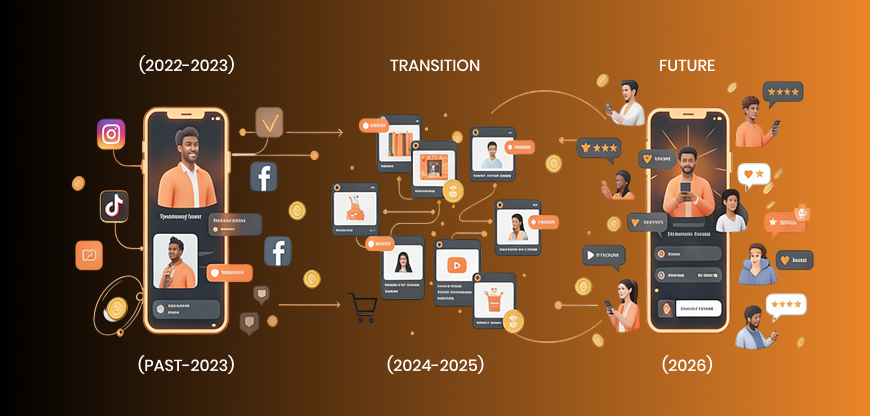
The future of social commerce is closely tied to long-term creator partnerships rather than one-off campaigns. Brands are increasingly working with micro-influencers as ongoing ambassadors who understand their products and audiences deeply. This approach creates consistency, trust and sustained sales growth over time. As social commerce continues to evolve in 2026, micro-influencers will play a central role in shaping buying behavior. Their ability to connect authentically with niche audiences makes them indispensable for brands looking to build loyalty and compete in a privacy-first, community-driven digital economy.
Conclusion
Micro-influencers are no longer an alternative strategy, they are becoming the foundation of successful social commerce in 2026. Their authenticity, engagement and ability to influence purchasing decisions make them a powerful driver of revenue in an increasingly competitive market. Brands that adapt to this shift gain stronger customer relationships and more sustainable growth.
Forward-thinking platforms like Marcamor are helping brands unlock the full potential of micro-influencer-led social commerce by aligning creators, data and performance-focused strategies. In 2026, the brands that win will be those that invest in trust, community and the voices consumers actually listen to.
FAQs
What qualifies as a micro-influencer?
A micro-influencer typically has a smaller but highly engaged audience, often within a specific niche. Their influence comes from trust and relevance rather than large follower numbers.
Are micro-influencers worth it for brands in 2026?
Micro-influencers are worth it in 2026 because they deliver higher engagement, stronger trust and better conversion rates compared to larger influencers, especially in social commerce.
How do micro-influencers increase social commerce sales?
They increase sales by creating authentic, relatable content that builds confidence and reduces friction in the buying process directly within social platforms.
Can small brands succeed using micro-influencers?
Small brands can succeed with micro-influencers because partnerships are more affordable and targeted, allowing them to reach the right audience without large marketing budgets.